Avoid Processed Food · Habits to Change · Lifestyle Changes · Nutritional Health · Taking Care of Ourselves

Getting Back to Real Food

For Ourselves/For Our Children

Never has there been a time, when so many people, are suffering so many problems and diseases—largely of our own making.

In less than one hundred years, we have witnessed drastic changes to human health, to the point that we do not share the same general appearances of our ancestors.

Of course the basics would remain the same – arms, legs, eyes, ears, and so forth. What would not be the same is our body composition. A group photo from the early 1800s would be vastly different from similar type photo now.

To explain: If our predecessors had the ability to take selfies, snapshots, family portraits and group photos, we would be immediately struck by how different we are in our physical characteristics today.

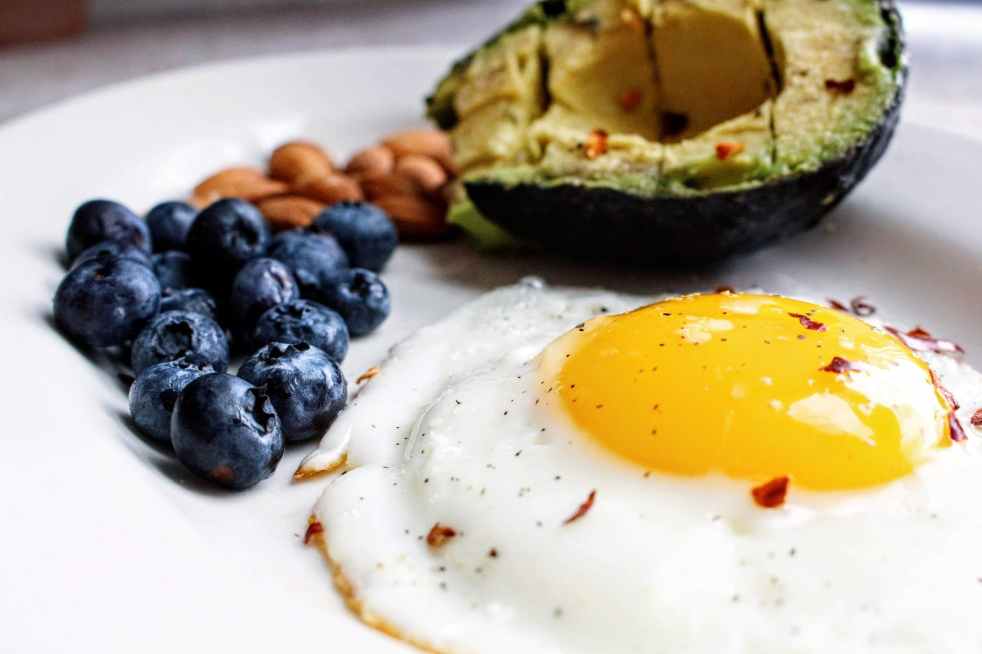
Photo by Suzy Hazelwood on Pexels.com

‘Vastly’ would be the intended pun of our sad observations.

Being overweight, obese, and/or morbidly obese were not problems common to humanity for the span of our history.

This is a phenomenon that crept-up on us, beginning in the late 19th century to this present time—with the 21st experiencing the greatest growth…

Therefore, it is a unique time in our history, for many reasons. However, on a uniqueness level, none compares to the wonderful possibilities that have arisen to reverse it.

This is our time, our opportunity to effect change.

Furthermore, there has never been a better opportunity to educate ourselves—we can make significant changes to our own health but to a greater extent…

We can help our children

We can (and should) feel obligated to prevent them from ‘falling down the rabbit hole’ that we ignorantly inherited.

We were ignorant—not so anymore

They do not need to suffer the diseases and problems that are now, unmistakably proven to be associated with—processed-foods.

We can do something about it.

It’s the right thing to do..

Habits to Change

Mistakes

How do you respond when someone says you made a mistake?

Do you ignore the person, get angry, or acknowledge your mistake?

Before examining your response to someone else’s criticism, first examine your own reaction to the mistake you made.

Making a mistake may be insignificant or catastrophic in life.

  • Purchasing the wrong product because you did not read the label may not be a life altering experience, just down right annoying – waste of time and money.
  • On the other hand, buying the first used car that the sales person showed you on the car lot, trusting this person to be honest, sincerely looking out for your best interest, then two weeks later finding yourself looking for a transmission specialist reflects the kind of mistakes everyone dreads.

Many of life’s lessons are learned the hard way.

Are you hard on yourself or do you make excuses? If there is anger  – is it directed inwardly or is it toward that other person or both?

To compound matters and make things “big time” worse, did someone try to give you some decent advice, before you made that whopper mistake, but you ignored it?

  • Are they rubbing it in to your open emotional wound and now it really stings – “I told you so!”
  • Maybe they say absolutely nothing but a shrug, a roll of the eye, or a quiet negative shake of the head stills conveys it all – you idiot!

It’s no news flash – we’ve all experienced it at least once in our lives. Nonetheless, it never gets easier. However, your reaction to your mistakes and the criticism of others is where the personal growth or downfall lies.

Having the ability to face  mistakes, head on, is a must kind of thing to have. This is the backbone to build. It is the structure that will keep you moving forward and learning from the mistakes.

If you maintain your stance that it was not your fault, or if you nurture self-defeating attitudes and believe the worst about yourself, you are not striving to reach your human potential.

The ability to grow is within you.

Mistakes – they come, they go but so long as you accept and learn, change what is necessary so you do not repeat mistakes then what is possible is always reassuringly available.

So, when advice comes, or criticism is made – don’t reject, don’t throw it back at the person(s) who is doing you a kindness. Look at and evaluate your thoughts – be sincere, face-up to your own thoughts, admit what you must, and be thankful for the words of others and then appreciate your ability to grow and move on.

Mistakes

  • The Past – Reminders – some embarrassing, some to live on with – permanent because of choices back then.
  • The Present – Opportunities – now do homework/research, no more quick spur-of-the-moment decisions, avoid those whoppers.
  • The Future – Ability to Help Others – to avoid similar mistakes, at least that’s the plan!

You messed up! What you do in the follow-up says more about who you are than your actual mistake!