Health and Wellness · Lifestyle Changes

Becoming Your Own Health Manager: A Guide to Taking Charge of Your Wellness

At what age should you seriously consider being the manager of your own health? Your twenties? Thirties? Forties? Your sixties?

The short answer… today. Today is the day you should firm up your commitment to becoming ‘in charge’ of your health and wellness. If you’re alive… as in breathing, regardless of your age… now is the optimum time to add Health Manager to your resume.

Think of your health as you would a job and begin to reap the benefits almost immediately. No kidding.

To Do…

Get Educated

As with any employment, being well educated means being better qualified. When it comes to your health…acquiring the best and most comprehensive education is vital to your overall performance. Thankfully, the resources are plentiful and easily accessible… think Internet. (YouTube videos are very informative)

Focus on the Key Components of Your Education

There are several ‘courses’ to choose from and the sky is the limit when it comes to acquiring an education in all things health. Consider the following key aspects…

A Healthy Diet

  • The quick and lazy method would have you accepting the basic food guidelines provided by the so called ‘experts’.
  • However, a more thorough search, which does require your time and enery, would expose the errors, misconceptions, and possibly the deceptiveness of these guidelines.
  • Do your ‘due diligence’ here and you won’t regret it. Don’t allow the sheer number of diets and diet plans to overwhelm you. Choosing low carb, carnivore, keto, mediterranean, and so forth will come easier once you’ve taken the time to understand the basic food groups, which are: protein, carbohydrates, and fats.
  • Get familiar with how these food groups help establish your health and wellbeing. Understand how they benefit the body and learn to prioritize according to your body’s basic needs. Hint: carbs shouldn’t dominate the day. So prepare yourself (give yourself a mental headshake)… cut the cookies, donuts, crackers, bagels, and other ‘fun’ stuff that you’ve come to rely upon during coffee breaks. It takes time, but well worth the effort.
  • Quick tip: If what you want to eat comes wrapped with a lengthy label…odds are that this ‘food’ is not actually ‘food’ but an ultra-processed substitute. So… focus on real food and … wait for it … learn to cook ‘real food’ at home!
  • Renowned functional medicine expert, Dr. Mark Hyman, has the following to say…

Consistent Exercise and Movement

  • Contrary to popular opinion, exercise does not need to be a drudgery or a painful process. Well…okay…there can be some pain (sore muscles) but not the torturous pain designed to kill you.
  • The benefits of exercise are..well.. phenomenal. No joke! Many more doctors have come fully onboard and they’ll tell you that regular exercise is super important towards achieving health and wellness and a leading method to decrease all cause mortality (that word alone makes a person shiver).
  • Exercise ranks higher than pharmaceuticals when dealing with depression and studies now show that regular activity helps cognitive improvements and greatly lessens the likelihood of developing various forms of dementia in later life.
  • Prominent physician and longevity expert, Dr. Peter Attia says it well…

Sleep and Relaxation (aka… meditation)

  • Getting your Zzzzs can’t be overemphasized. Research has shown that many necessary bodily functions occur when we sleep, including a major cleaning… really! It’s like your brain is so busy during the day that, like a busy office, the garbage collects. During sleep hours, the cleanup crew get their shot at setting the place to rights before the next busy day begins.
  • Quality sleep helps in many ways: corrects and stabilizes immune function, disease resistance and overall well-being, including mood.
  • Mindful breathing calms the mind and body and may alleviate depression and anxiety by promoting relaxation and stress reduction.
  • Deep breathing may enhance focus and cognitive performance; it may positively impact mood and happiness, and… mindful/deep breathing may lower blood pressure, improve overall cardiovascular, better lung function to oxygenate the body.
  • Quotes from Matthew Walker’s book: “Why We Sleep: Unlocking the Power of Sleep and Dreams…

In conclusion:

Metabolic related diseases, such as cardiovascular disease, type 2 diabetes, dementia, and obesity, to name a few, are steadily increasing. These types of problems are so widespread, we’ve almost come to the point of acceptance, as though it is inevitable to develop some sort of chronic disease.

But this need not be the case.

Those who choose to become managers of their own health – those who make their own fitness and wellness a lifelong job will undoubtedly reap benefits far beyond their expectations.

If you do not have ‘personal health manager’ on your life’s resume, the time couldn’t be better to begin the process of self-improvement.

You won’t regret it.

Suzanne Rightley is an author of childrens’ fiction. Her books are written for independent readers, ages 7-15 and can be found on Amazon. Her Granola Brea Series is an ongoing effort to enlighten today’s youth to make positive health and wellness choices for themselves.

Thanks for the visit.

Lifestyle Changes · Parent and child relationships · Parenting · Quality Time with Children

Enjoy Quality Time With Your Children

Time flies. Right? Before you know it, your precious youngsters are going to school, then college, then work, then… they visit you.

These are wonderful days. It may be challenging, but do not allow life’s stresses to steal quality time with your children.

To do so requires self-examination and of course… planning.

  1. Know yourself – a little time to reflect on your current lifestyle is crucial. What are the triggers that easily throw off your best intentions. For many parents the distractions come from their phones. Notifications, by design, are set up for the receiver to take immediate action. The reality is – they can be ignored. Your child, on the other hand, should not be ignored if ‘quality time’ is your objective. Think – “I can mute my phone. I cannot mute my child.” It’s a priority thing.
  2. There are times when you and your child’s plans are interrupted for legitimate reasons – someone knocks on the door, it’s the courier. Will this interruption last 2 minutes or 2 hours. Receiving the package is quick. Opening the package may throw off your best intentions if the product isn’t what you ordered and you’re ‘forced’ to contact the sender, etc. etc. You get the picture. Unexpected things do come up from time to time. How you assess and react may require some pre-planning. Think – triage. Do what must be done to handle the interruption efficiently and put off the rest until the timing is better for you and your child. Again – a priority thing.
  3. Recognize/appreciate the characteristics of quality time – there are no set rules here. The amount of time you spend with your child will vary. Listening to their thoughts may only take 5 minutes out of your schedule, but your undivided attention matters to your little one. Take advantage of those precious moments and structure your body language to reflect your deep interest. Do you stop what you are doing to fully listen? Or do you simply nod along at what seems to be appropriate intervals? One thing is for sure – your child will know the difference.

Shared moments today will become fulfilling memories tomorrow.

  • Children may not recall the number of times you took them to the park, but they will remember enjoying their play time experience if they felt safe and had fun.
  • How you handle their problems will resonate throughout their formative years. Shouting, grounding, assorted punishments, and so forth do little in helping them know how to resolve their very real crises. A little empathy, thoughtful suggestions, and helping them understand real life consequences are far more meaningful than doing without ice cream for the next six months, which everyone knows is impossible.
  • Going the extra mile for your child might mean assistance with homework, reminding them to brush their teeth, helping them to keep there room neat and tidy, or encouraging words before a team sport. Consistency is key.

The rewards of good parenting may or may not be felt at the moment, but they will manifest themselves during the gratifying times you’ll spend with your ‘grown’ children, as you recall special moments during those… future visits.

Suzanne Rightley is an author of children’s fiction. Visit her author page for a complete list of her books.

Avoid Processed Food · Lifestyle Changes · Nutritional Health · Parenting

Ultraprocessed Food is not Real Food

An interesting CNN article came out recently… and it was an eye-opener. Well, maybe not for everyone, but surely a wakeup call for those who don’t consider real food with the respect and appreciation it deserves.

The following are excerpts from the article:

Eating a lot of ultraprocessed foods significantly increases men’s risk of colorectal cancer and can lead to heart disease and early death in both men and women, according to two new, large-scale studies of people in the United States and Italy published Wednesday in British medical journal The BMJ.

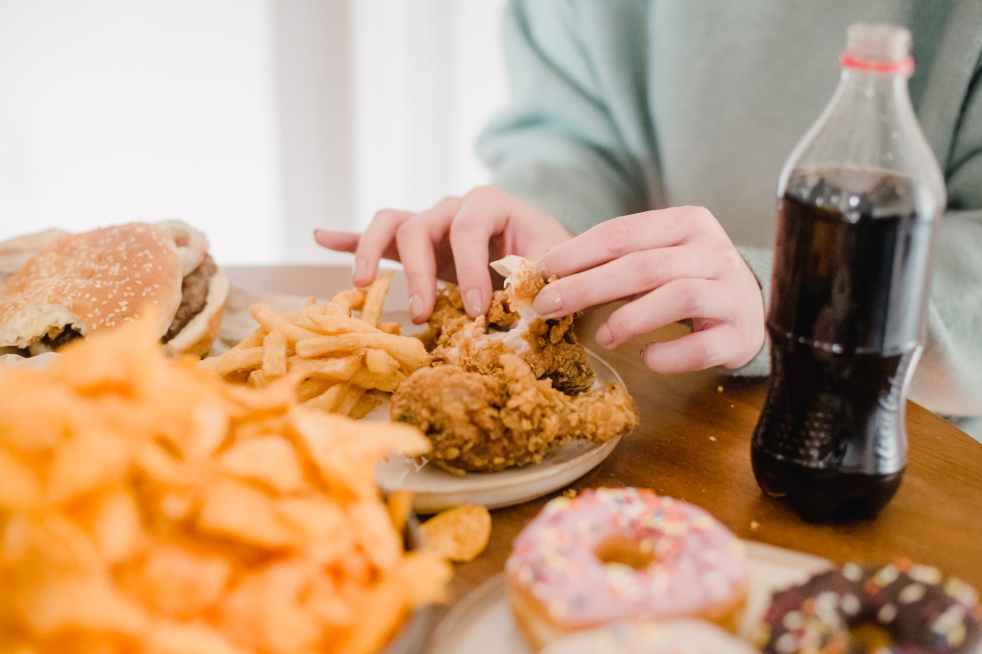
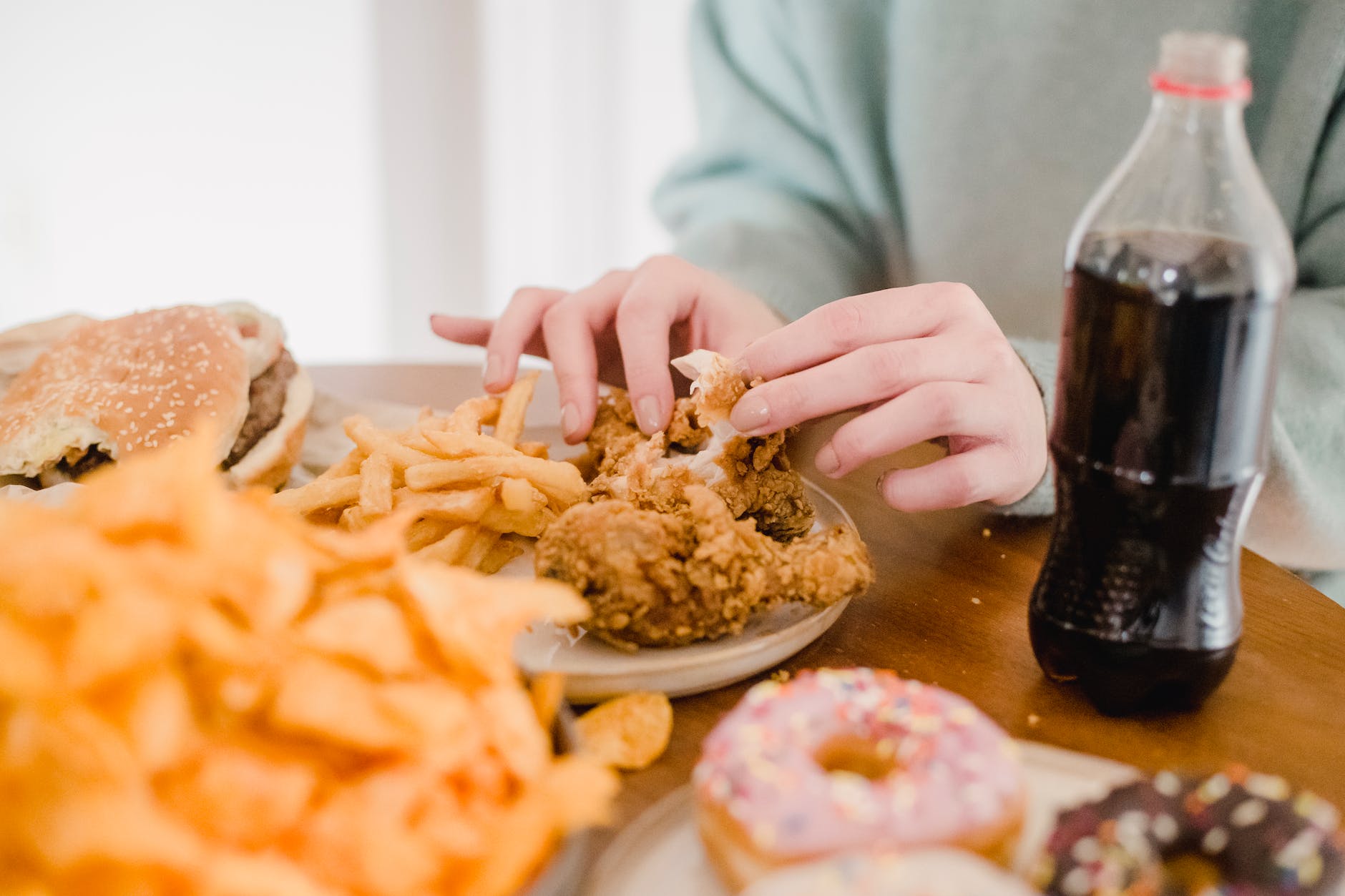
Ultraprocessed foods include prepackaged soups, sauces, frozen pizza, ready-to-eat meals and pleasure foods such as hot dogs, sausages, french fries, sodas, store-bought cookies, cakes, candies, doughnuts, ice cream and many more.

“Literally hundreds of studies link ultra-processed foods to obesity, cancer, cardiovascular disease, and overall mortality,” said Marion Nestle

More from the same article:

Processed and ultraprocessed meats, such as ham, bacon, salami, hotdogs, beef jerkey and corned beef, have long been associated with a higher risk of bowel cancer in both men and women, according to the World Health Organization, American Cancer Society and the American Institute for Cancer Research.

The new study, however, found that all types of ultraprocessed foods played a role to some degree.

A bit more:

“Americans consume a large percentage of their daily calories from ultraprocessed foods — 58% in adults and 67% in children,” she added. “We should consider substituting the ultraprocessed foods with unprocessed or minimally processed foods in our diet for cancer prevention and prevention of obesity and cardiovascular diseases.”

WHAT???? 67% of American children consume ultraprocessed food … DAILY!!!!! And people are worried about Covid? Sheesh!!!

  • Not that Covid isn’t a concern but when it comes to epidemics, it’s easy to see that metabolic diseases is the front runner by a long shot. How many lives are lost annually due to Obesity, Type 2 Diabetes, Dementia, and Cardiovascular Disease to name but a few.

More from this article:

In fact, over 80% of the foods classified by the guidelines followed in the study as nutritionally unhealthy were also ultraprocessed, said Bonaccio in a statement.

“This suggests that the increased risk of mortality is not due directly (or exclusively) to the poor nutritional quality of some products, but rather to the fact that these foods are mostly ultraprocessed,” Bonaccio added.

Not real foods the article adds:

Why are ultraprocessed foods so bad for us? For one, they are “ready-to-eat-or-heat industrial formulations that are made with ingredients extracted from foods or synthesized in laboratories, with little or no whole foods,” Zhang told CNN.

These overly processed foods are often high in added sugars and salt, low in dietary fiber, and full of chemical additives, such as artificial colors, flavors or stabilizers.

Photo by Tim Samuel on Pexels.com

Ultraprocessed food isn’t real food… DUH… who knew?

Their suggestion…

“While some ultraprocessed foods may be considered healthier than others, in general, we would recommend staying away from ultra-processed foods completely and focus on healthy unprocessed foods — fruits, vegetables, legumes,” Mendelsohn said.

In case you want to read the article in its entirety go to: CNN article here

Time to get serious..

We, the adults, are responsible for what we feed our children. Maybe our parents didn’t feed us right, and maybe that set us up with bad nutritional habits. They may have done so in ignorance… they believed all those food guides, and ah… they thought the stuff in supermarkets and grocery stores was… ah… food. Why would they think otherwise?

We, today, are in a different place. We have the information. We can make changes. We aren’t ignorant. We know that all things in food markets aren’t necessarily good for us or even classified as food. We can do better. We can help our children, and eventually, they (thanks to us) will turn this disastrous ship around… so to speak. Let’s help them stay healthy. Let’s educate them well, and let’s all look forward to a better, healthier world in the days, weeks, months, okay… years ahead.

Thanks for the visit

Suzanne Rightley is an author of children’s fiction books. Her Granola Brea Health-nut Series addresses metabolic disease in a way that children can understand. They find humour in Granola Brea’s…ah…mishaps, as they learn how to become health-nuts themselves.

After all… learning about making healthy choices doesn’t have to be “boring”, lol.

thanks for the visit

Character Development · Lifestyle Changes · Nutritional Health · Parenting · Parenting Tips

Nurturing Nutrition in Formative Years

It is generally understood that from conception to the first five to seven years of life (some argument here) a child’s brain is like a computer that readily accepts ‘downloads’ without any conscious effort on their part.

To understand the impact of the above statement, all a person needs to do is consider their own ‘default’ mechanisms. Example: under stressful situation what is his or her automatic reaction – run to the fridge, go full on silent treatment toward others, throw something, etc?

Parental Responsibility/Opportunity/Duty?

  1. Responsibilty – Parents want the best for their children. They want them to find their place in this world and to be content, happy, well-adjusted in life – in their careers, and personal relationships.
  2. Opportunity – Parents know the importance of the formative years. This is where a knowledgable parent takes advantage, and seizes the moment to build ‘character traits’ within the subconscious of their offspring, nurturing their individuality, personality, and intellect.
  3. Duty – Parents are expected to ‘rear’ their children into productive members of society. Is there a nation on earth that welcomes deviant behaviour in its citizens? Obviously not. To the contrary, a country can only benefit from a responsible, law-abiding population.
Photo by Pixabay on Pexels.com

Nutrition and Making Healthy Choices

Parents are in a unique place…

  • They can educate their children on merits of nutrition
  • They can provide them with nutritious meals, controlled snacks, necessary intermittent fasting intervals (refering to time needed between meals for metabolic health reasons)
  • Establish patterns of activity, exercise, sports, and so forth as a way of life; sitting around in front of TV screen/computer/mobile devices is not the best way to ‘pass time’ away

Ultimately… parents are the primary programmers of their child’s developing brain. The old adage of ‘do as I say, not as I do’ should give every parent of moment of reflection. Children are far more likely to ‘download’ your responses, your means of dealing with pressure, your choices, and etc. by what they witness you doing.

So, when it comes to making healthy food choices, help your growing child establish healthy patterns by first establishing your own. You might be able to give an impressive lecture on nutrition and the dangers of ‘added sugar’, but if your go-to response in times of stress is a bag of Oreos or a pint of Haagen-Dazs…

Then don’t be surprised if your child doesn’t make healthy food choices when hanging out with his or her friends.

Thanks for the visit.

Suzanne Rightley is a children’s author. She writes for independent readers between the ages of 7-15. Her genres include: mystery (7-9) detective (12+) sports-themed (12+) and health awareness (10-14).

For parents and teachers who look to educate kids in matters of health – Suzanne’s Granola Brea Series addresses issues of obesity, diabetes, dementia, and other metabolic diseases associated with poor lifestyles, including nutrition. Children learn about importance of making healthy choices as they laugh along with a 12-year-old health-nut… one hilarious incident after another.

After all… eating healthy isn’t always an easy thing to do… in our junk-food, overly processed world!

Visit Granola Brea’s Page on Suzanne Rightley‘s official website: Granola Brea Health-Nut