Children's Health · Opinions · Parenting · Society and Values

Teaching Kids Kindness Through Positive Examples

Kids need to see more examples of kindness.

Our lives are often unduly influenced by the quick comments of others. The lives of our children are affected by these comments as well. Often these remarks and actions are thoughtless.

And…. without some conscious effort on our part— a sort of ‘premeditated thought’ to remain firm to our convictions— we can be swayed to engage with, or even mimic, the poor conduct of others.

This is especially true of children. Children are vulnerable and easily manipulated.

Saying it is understandable doesn’t make it right or excusable.

As adults, we ought to be able to distance ourselves from these displays of rude outspokenness. The words and actions of others do not need to become ours going forward.

As adults, we ought to be able to reason things out. Rash behavior is simply that… rash. We do not need to fuel the irresponsible behaviors by contributing some of our own.

To that end.. let’s talk children.

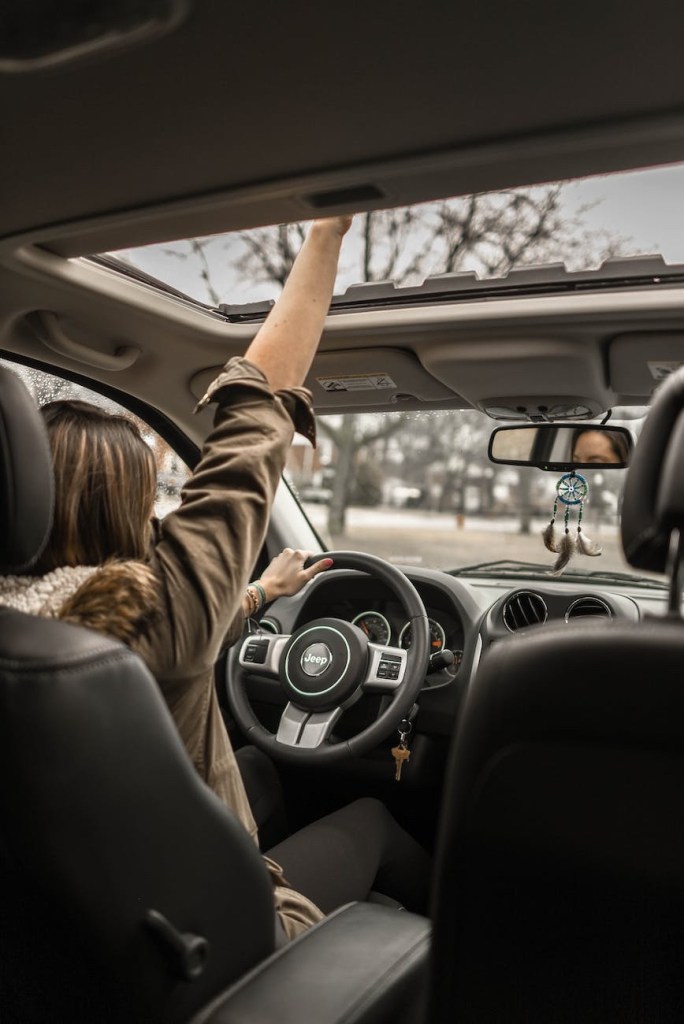
Do we want our kids to watch us act like this?

If society is inundated with displays of poor behavior, we must take action. We ought to endeavor to do more in terms of promoting good behavior.

Set the Example for our Kids

We can make an extra effort to show random acts of kindness. This is particularly important when children are watching.

As it turns out… doing well toward our fellow man produces joy that benefits our own mental and physical health.

The reality states that we cannot change the words and actions of others but we can change our own conduct. Being pleasant, being helpful, avoiding unnecessary confrontations, and keeping our opinions to ourselves, are all things we can do.

Take a moment or two to think about how you can ‘be generous’ toward someone. Give a friendly wave to that harried motorist. They waited patiently while you crossed an icy intersection.

Your easygoing gesture is a small act of appreciation on your part. It didn’t hurt you in the least… didn’t take anything from your day.

It doesn’t mean much, yet it means a lot.

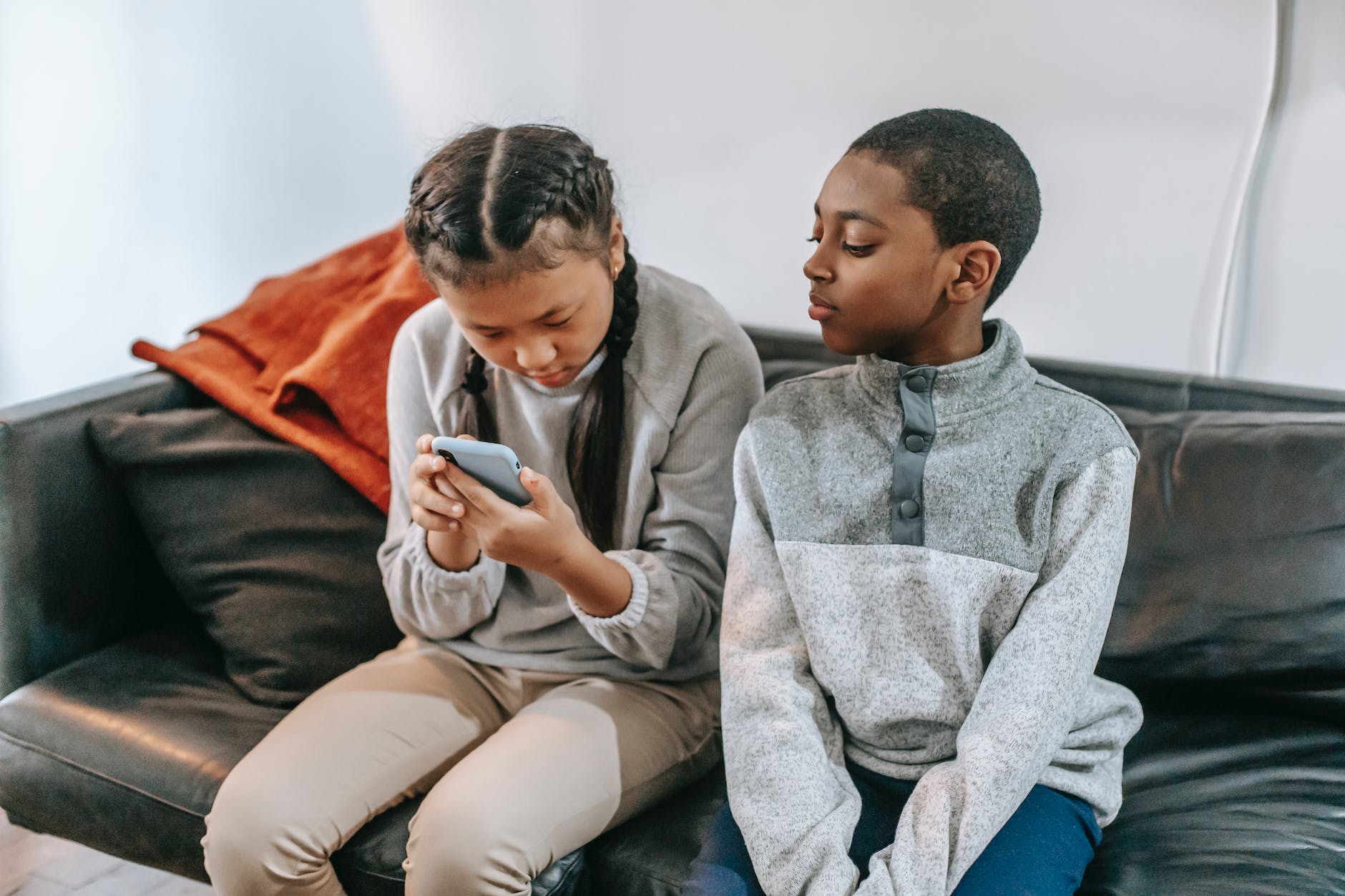
Maybe… just maybe, a young child, from a passing school bus window, witnessed your thoughtful act. And… with no conscious effort on their part, absorbed a random act of kindness as ‘normal’ human behavior.

Thanks for the visit.

Suzanne Rightley authors children fiction stories. Her books provide wholesome, character driven stories for independent readers ages 10+. Find her author page on Amazon.
Free Speech · Freedom of Expression · Opinions

Mis and Dis of Information

Accusations of ‘misinformation and disinformation’ have taken over ‘whenever and wherever’ opinions are bantered about. If it sounds silly… it’s because it is. However, ‘silly’ is too mild a word considering the devastating effects and impact these accusations produce.

Nonetheless, regardless of damaging outcomes, the mis and dis on the information spectrum has hit centre stage and… it affects all our lives, in place after place, throughout the world.

The finger pointing has become relentless.

Moreover, the spotlight seems firmly fixed under the broad topic of life choices. Somehow, some may say, miraculously, many of us have become overnight experts, often in the absence of proof. But, hey…

“Let’s not get confused by the facts. Please!”

And of course, as with any great stage performance, a bit of truth often merges with the fiction, in order to deliberately capture our attention, often prompting a ‘call to action’… literally or figuratively speaking.

As it turns out, mis and disinformation aren’t only playing themselves out before our very eyes, as the unsuspecting viewing audience to the theatrics, but we’ve become participants…members of the cast.

Pointing the finger at “the other side” of an argument has never been easier. (Think Twitter!) What is lacking is reasonable debate.

Accusations prevent actual information from coming to light.

The necessity to speak candidly and freely with one another has never been greater.

To Do…

  • Take the time to listen to someone else’s thoughts, opinions, ideas, facts, data, feelings, and etc.
  • We can, and do, learn from others.
  • Keep an open mind.
  • Hear all sides before making an informed decision.

Simply screaming ‘misinformation or disinformation’ is not doing anyone any justice. We owe it to ourselves, and our children, to gather actual information; there’s plenty that is readily available.

Taking someone else’s accusation of ‘mis and disinformation’ doesn’t cut it any more, if it ever did. Let’s endeavour to do our own homework and separate the accusations from the actual facts.

Future generations deserve honesty and integrity from us.

If healthy debate is required – let’s engage in that conversation!

Suzanne Rightley is an author of children’s fiction. Her books can be found listed on her author page or visit her website at suzannerightley.com

Character Development · formative years · Opinions · Parent and child relationships · Parenting · Society and Values

Nameless Behind a Steering Wheel

For some outraged drivers, sitting in the driver’s seat, affords them the freedom to yell and criticize other drivers and pedestrians.

Why is that?

The thing is, most of these same outraged people, would never vent, up close and personal, in someone’s face but within the confines of their vehicles, they become the all-knowing ‘superior drivers’ when they compare themselves to other motorists.

Their driving skills are exceptional (after all).

Sobering Fact: This blog is not likely to sway such drivers because… they already know their behaviour is unbecoming but the venting time is something they need (crave maybe) in efforts to derive a sense of control.

Surely there are other reasons, but the point of this blog is not to psychoanalyze, but rather to look at this from another vantage point… let’s say from the eyes of a five-year-old child.

OOPS!

Consider the following example…

A mom standing at a busy intersection holding her young son’s hand. The boy has his backpack proudly secured over his slim shoulders wearing a grin from ear to ear. He’s excited about going to school.

It’s a busy area with city buses coming and going in all directions because, beside a local elementary school, this is a popular bus stop for university and college students as well. Plus, there are commuters on their way to work.

Photo by Nout Gons on Pexels.com

As the boy and his mom wait to cross the busy street, a bus pulls up to take on ten to fifteen passengers. One of the would be passengers is an elderly man with a cane. He’s slow. Very slow…and many people are huffing about the delay but they keep silent.

Just another day in a busy life. The mom barely notices while the child seamlessly absorbs what he witnesses.

Here’s where it gets interesting…

A motorist pulls up behind the aforementioned bus and is halted, forced to come to a standstill. The other lanes are moving along at a snail’s pace, bumper to bumper. No quick lane change for the now temporarily ‘parked’ motorist.

The honking starts.

Yep… the driver is officially ‘ticked’ at the city bus. The hand goes down heavy on the horn.

From an objective (as opposed to subjective) bystander’s point of view it would go something like… “Hey, what do you expect the bus driver to do? Push a non-existent hydraulic button to raise the bus so you, ‘the important and impatient motorist’, can drive smoothly/safely under the bus?”

Ridiculous… sure. But isn’t honking at a city bus, who is…by nature of the job, at a standstill to allow commuters to board?

Aside from the obvious futility of the motorist’s outrage, at a city bus driver, is the mother’s indifference. She does not bend down to her child’s eye level and explain that the behaviour is not acceptable. What her son is seeing is a lack of patience, consideration, and etc.

For her, this is simply another ‘expected’ behaviour and therefore she gives it little thought…if any.

Meanwhile, her 5 year-old son, seamlessly absorbs what he witnesses. He assimilates the scene as ‘normal’ behaviour.

As motorists – we can do better.

As parents and other significant adults – we can take a moment to explain. Otherwise, in a few short years, this same 5 year-old will become another nameless driver who indulges in the freedom to vent at other ‘idiots’ on the road. Let’s face it… his driving skills are exceptional (after all).

Thanks for the visit

Suzanne Rightley is the author of several children’s fictional stories. Visit her author page here or website @ suzannerightley.com

Opinions · Parenting · Society and Values

Thoughtful Words or Thoughtless Remarks

To coin an old phrase… ‘Sticks and stones may break my bones but…’

About that but part…

Of course, most of us are familiar with this adage…for good reason. We recognize the second part for what it is…bravado. The truth is a different matter, because yes…words can, and do, most certainly hurt us.

Whether we admit it or not, words affect us.

Kind, thoughtful words encourage, while hateful, judgmental words tear us down.

Furthermore, social media has added a whole new dimension to ‘conversations’ and not always for the best.

It’s easy to fire off a comment, a rebuttal, a criticism considering the anonymity of the Internet. A thoughtless remark has no consequence to the one making it… but to the recipient… well, the words may ‘sting’.

Much has been said about this and a lengthy post is not needed. We get it. However, a reminder, once in a while, may help us to do better.

With that in mind… consider a slight pause before pushing that send button. Think… “Would I say this, to this person, if I were face to face with him or her?”

Moreover, if we are parents, guardians, and teachers, let’s not forget – for a moment – the example we set for our children. We have the responsibility of helping them to adjust and grow into their soon to be adult-selves. If we ever hope for a kinder world, we ought to consider the impact we make on the future generation.

Photo by Katerina Holmes on Pexels.com

Suzanne Rightley is an author of children’s fiction stories. Visit her author page for a list of her books.

Visit her website at suzannerightley.com