Fiction for girls 7-9 · Fiction story for kids 10-14 · Kids Books · Mystery Stories for Girls · Parenting · Pioneer Kids Fiction · Reluctant readers · Sports-themed books for boys

Kids Fiction – Thoughtful Gift

Children books make timeless gifts, that never lose their appeal or importance, for kids of all ages.

Suzanne Rightley Books

Suzanne Rightley is an author of children’s fiction stories for independent readers who do not require pictures to hold their attention. Written with lively dialogue, plenty of humour, plots and subplots, mystery and intrigue – Rightley Books have a child’s natural curiosity firmly in mind.

If nurturing a child’s imagination is a priority, then Suzanne’s books encourage her readers to ‘paint the picture’ in their own minds.

Media influence surrounds us (and our children) everywhere we go. Seldom are we not assaulted by visuals that dictate what appeals to us. It’s a world of ‘bells and whistles’ and whether we realize it or not – we are guided (some would say manipulated) into what the ‘seller’ wants us to believe.
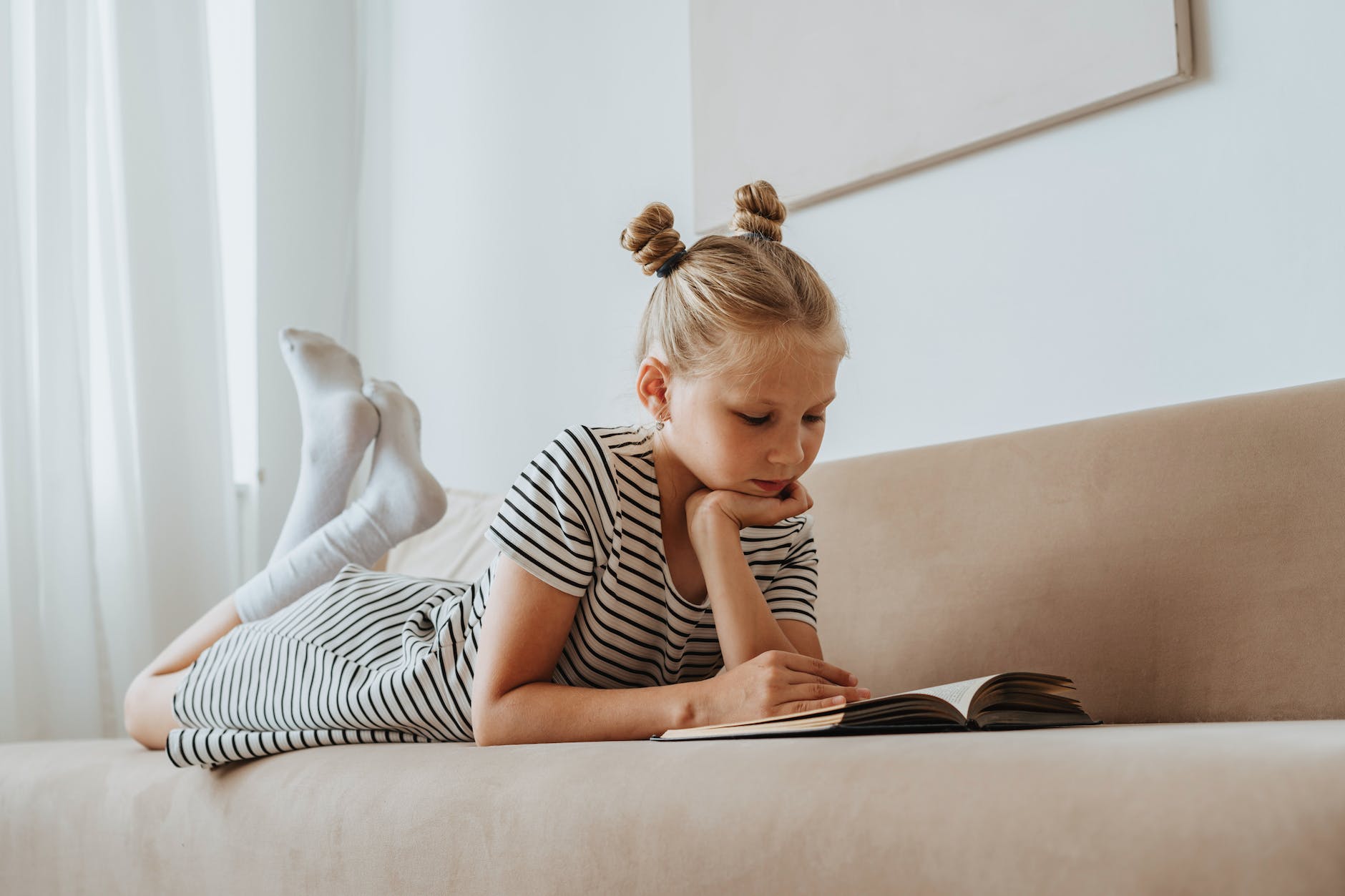
Photo by olia danilevich on Pexels.com

Children’s fiction requires no ‘bells and whistles’ if the narration provides the visuals in words.

A child’s imagination is still required to complete the comprehension process.

Pictures can be helpful, yes, but not necessary.

Encouraging children to search their minds’ eye to ‘see’ the story is a good thing.

Book Series by Suzanne Rightley

Buttercup Girls Mystery Stories
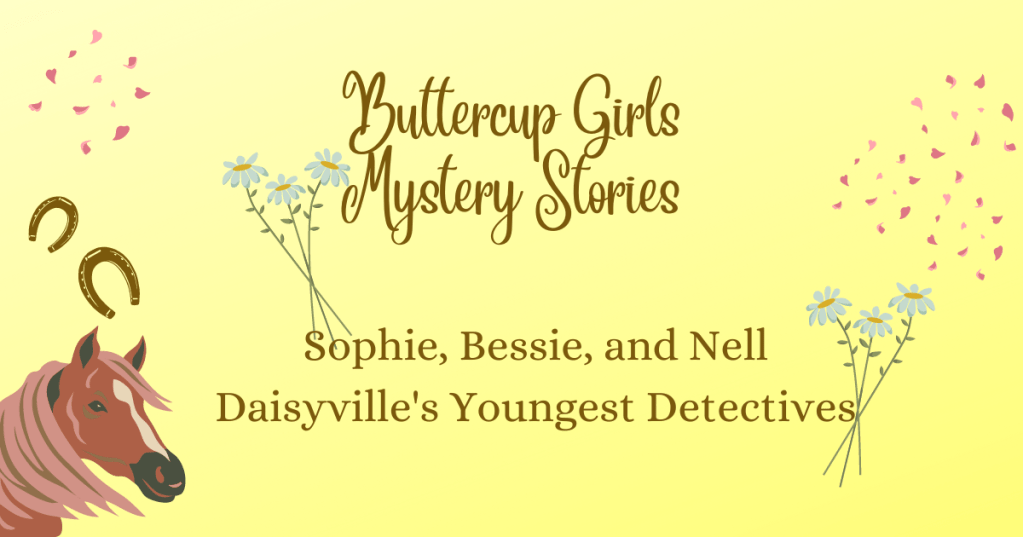
Light, fun reading for girls 7 -9 who love a few giggles with their mysteries.

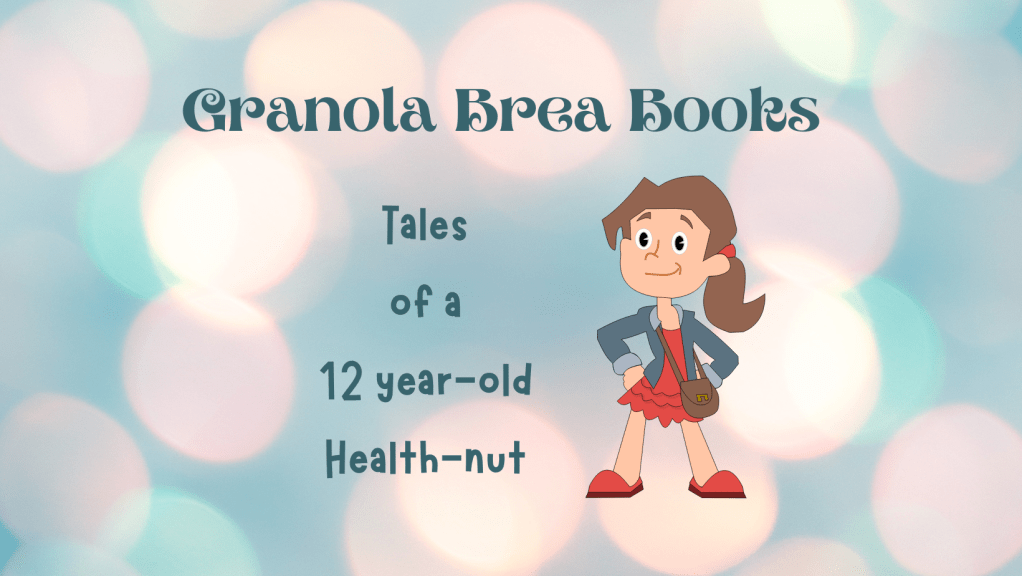
Granola Brea Health-nut Books

Navigating through a junk-food obsessed world isn’t for the fainthearted.

Brea is determined to handle any predicament that challenges a true health-nut.

Full of hilarious moments appealing to 10-14.
Tee it Up Series

Junior golf is a growing sport and makes a great backdrop to explore challenges that face tweens and young teens. Topics include lifeskills, career choices, and family/friend/coworker relationships.

Note: Extensive knowledge of golf rultes/etiquette not required.

Relatable narrative for boys 12-15

Ivey Sisters, P.I.

Inheriting a detective agency presents challenges for Claire and Connie Ivey. With the help of loyal employees and a family friend/cop, the sisters tackle strange cases with surprising twists.

For mystery lovers ages 12-15

Visit Suzanne’s author page for details: Suzanne Rightley or visit her author website @ suzannerightley.com
Benefits of fictional stories for kids · formative years · Kids Books · Parent and child relationships · Parenting · Parenting Tips · Relationships

Kids Books Make Great Gifts

Fiction and non-fiction books may seem like a ‘traditional’ gift, but consider that the novelty of a new book never wears off for kids.

Timeless Benefits of Kids Fiction Books

Encourages Critical Thinking

  • Reading story books remains one of the best ways for children to develop independent thinking skills. ‘Toy trends’ come and go, but exploring life, through the written word, continues to be timeless adventures for kids of all ages and a welcome gift.
  • Bear in mind that books delve into the thoughts and behaviours of other people – how these individuals respond to the world – what works for them, what doesn’t, how their actions and reactions affect others, consequences of behaviour, and etc.
  • In other words, a child safely learns what other people experience in life, a life that may or may not be similar to their own.
  • Furthermore, children are given an opportunity to ‘intuitively’ form opinions, establish values, evaluate merits of character traits, and so much more as they gather information about the world outside of their immediate environment.
  • Therefore, books do make great gifts for kids…however, choose them wisely considering how impressionable children are at different ages.

Builds Vocabulary and Develops Grammar Skills

  • A well-written children’s book will include a broad use of the English language. A properly constructed sentence will utilize the ‘inference’ concept which makes a word’s definition obvious. Furthermore, e-readers have built in definition software. Hovering over a word means kids quickly learn new words while enjoying uninterrupted reading.
  • Plenty of quality reading time means a child builds a familiarity for a foundation in sentence/paragraph structure, lively dialogue, and etc. This will prove invaluable for future creative writing, essays, reports, and so forth.
Photo by cottonbro studio on Pexels.com

Provides Much Needed Quiet Time

  • Life has become overly stressful for many children today. Social media and busy schedules mean a child’s day can be demanding, leaving many children pressured to ‘keep up’.
  • Leisurely reading, that has no objective, other than ‘getting lost’ in a make-believe story, can provide a child’s growing brain some peace and relaxation. Similar to walking outdoors without earbuds delivering lyrics or podcasts hashing out problems, a ‘mindless’ walk enables a person to appreciate the smells, sounds, and visuals of nature. Likewise, fiction allows the mind to wander in the imagination.

Develops Comprehension and Awareness

  • It might go without saying, however the ability to understand what a person is reading is a life skill developed during childhood – thanks to both fiction and non-fiction content.
  • Understanding what we read is paramount in importance, but something that we generally take for granted.
  • Providing children with an abundance of varied reading material cannot be underestimated in its value.
  • Determine what a child finds most interesting (usually something that has a certain amount of humour) and broaden their learning experience from there.

‘To Do’ Suggestions for Parents

Many parents spend hours and hours reading books with their toddlers and preschoolers. This provides quality time to discuss a variety of topics and life skills.

Then one day, their children are reading on their own and their shared reading experience drops off…

Although young readers may not require their parents’ assistance, it is worth noting that children continue to need guidance throughout their formative years. Therefore…

  • Be aware of your child’s reading choices; busy lifestyles mean many things slip by parents; consider that the books your child is reading may be replacing your wise counsel
  • If the books they choose are inappropriate and potentially harmful, strive not to be critical of their choice but rather critical of the content; take the opportunity to explain why the material is not what you expect them to read
  • Remember that the books your child chooses is their choice – not yours; do not make demands that they read non-fiction if they prefer fiction or vice versa or insist they read mystery stories if they do not enjoy them. Whodunnits may by your preferred genre but your child may love science-fiction
  • If possible… read as many of the books your child chooses yourself; knowing the content of the books your child is reading provides an opportunity for discussion – try to keep it upbeat and friendly, share your thoughts and hopefully your child will share his or hers…

Life is a learning journey and books provide an excellent resource for open, frank discusssions on which to build parent/child relationships to last a life time.

Thanks for the visit

Suzanne Rightley is an author of children’s fiction stories. Visit her author page to discover if her books would make a reading gift for the child you know and love.

Character Development · formative years · Parenting · Parenting Tips

We Aren’t Born With Self-Control

Why Parents Should Set Boundaries for Their Kids

Having the ability to control our actions, in every situation of daily life, is important to us. We may not give it much thought, but knowing we can trust ourselves to act responsibly, with dignity, is what adults – knowingling or unknowingly – value.

Photo by Kampus Production on Pexels.com

Developing self-control doesn’t come naturally to children. Anyone witnessing a two-year old’s grocery store tantrum can attest to this fact.

What does come naturally are the emotional outbursts, unreasonable demands, not taking responsibilty for their own actions, pouting, etcetera, etcetera.

Yet, at the very heart of all temperamental, spontaneous, childish behaviours is a driving need for structure in order to set the foundation for future (adult) self-control.

This means

  • Parents should not be surprised by their child’s unruly behaviour – a child should not feel that their parent is disappointed in them. Rather, a child should expect to be corrected and given the opportunity to “do better” the next time, because, of course there will be a “next time”.
  • Children need rules, guidelines – without instruction a child is left adrift. How can a young boy or girl learn how to build acceptable responses, if there is little or no structure in their lives in order for them to display the correct behaviour? Short answer – they can’t.

“This is how you are to behave in grocery store… “

“When we are visiting at grandma’s, you must not…”

“In the car, the law says you must wear a seat belt…”

“You must take care of your new backpack in this way…”

  • Do not reward a child for ‘reasonable’ behaviour – they don’t “deserve” one for behaving properly. As adults, we don’t receive a medal for not lashing out at an unreasonable boss. No, we understand that by controlling our temper we might get to keep our job. The sad reality is that there are far too many adults who believe they are entitled and they are demanding. Consider that this problem may be the result of being overly rewarded as children.

These are but a few recommendations, on helping children build a foundation of becoming adults, who enjoy the freedom and confidence that comes with possessing a healthy sense of self-control.

Thanks for the visit.

Suzanne Rightley is an author of children’s fiction books. Her genres range from mystery, to sports, to health, for ages 7 – 15; her books take the subtle opportunity to build the merits of responsible, respectful character traits, without any child-dreaded “preachiness”. Click here for her author page.

Kids Books · Mystery Stories for Girls · Reluctant readers

Ivey Sisters, P.I.

New series of kids’ books (10-15) by Suzanne Rightley now available on Amazon…

Ivey Sisters, P.I.

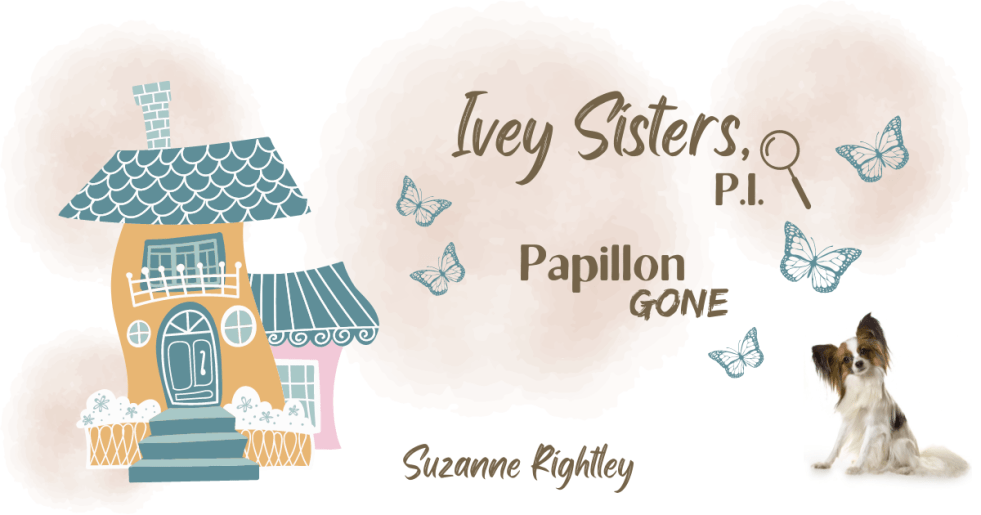
The iFind Detective Agency has new owners – Claire and Connie Ivey. It’s a business they’ve inherited from their last remaining relative, and these sisters are determined that Aunt Millie’s legacy will live on.

Doing so means taking on odd cases to be sure, but with the help of trusted employees, and the advice of a family friend/cop… they manage to solve cases, putting their clients’ lives in order.

Papillon Gone

An eccentric octogenarian, a missing dog, and jewelry that may or may not be stolen, sets the stage for their first big case. A surprising turn of events prove that the Ivey Sisters are indeed, topnotch investigators that can handle just about anything thrown at them… even as their investigation takes them through secret tunnels, wild animals…and…oh yeah, gangsters!


Papillon Gone … Book 1

Features of This Mystery Genre for Tweens/Teens…

  • Ideal for independent readers between the ages of 10-15
  • Surprising twists and turns have young readers engrossed until the very last page  
  • Engaging, lively dialogue – including frequent chuckle-moments – propels this fast-paced intrigue to its triumphant, howbeit unexpected conclusion
  • Main characters work through every obstacle and setback, with honesty, resolve, and a relentless determination to succeed
  • Note: Subtle subplot demonstrates respect for others, value of community, and loyalty to family and friends, without ‘preachiness’ that children tend to dislike or reject
  • Furthermore: parents and teachers will appreciate a book that is free of inappropriate content and language for this age group
  • Genre: Wholesome reading that will spark a young person’s enjoyment and interest for mystery novels

This book, as well as other children’s fiction books, by Suzanne Rightley available on Amazon

Ivey Sisters, P.I. Book 1 – Papillon Gone in paperback or ebook