Health and Wellness · Lifestyle Changes

Becoming Your Own Health Manager: A Guide to Taking Charge of Your Wellness

At what age should you seriously consider being the manager of your own health? Your twenties? Thirties? Forties? Your sixties?

The short answer… today. Today is the day you should firm up your commitment to becoming ‘in charge’ of your health and wellness. If you’re alive… as in breathing, regardless of your age… now is the optimum time to add Health Manager to your resume.

Think of your health as you would a job and begin to reap the benefits almost immediately. No kidding.

To Do…

Get Educated

As with any employment, being well educated means being better qualified. When it comes to your health…acquiring the best and most comprehensive education is vital to your overall performance. Thankfully, the resources are plentiful and easily accessible… think Internet. (YouTube videos are very informative)

Focus on the Key Components of Your Education

There are several ‘courses’ to choose from and the sky is the limit when it comes to acquiring an education in all things health. Consider the following key aspects…

A Healthy Diet

  • The quick and lazy method would have you accepting the basic food guidelines provided by the so called ‘experts’.
  • However, a more thorough search, which does require your time and enery, would expose the errors, misconceptions, and possibly the deceptiveness of these guidelines.
  • Do your ‘due diligence’ here and you won’t regret it. Don’t allow the sheer number of diets and diet plans to overwhelm you. Choosing low carb, carnivore, keto, mediterranean, and so forth will come easier once you’ve taken the time to understand the basic food groups, which are: protein, carbohydrates, and fats.
  • Get familiar with how these food groups help establish your health and wellbeing. Understand how they benefit the body and learn to prioritize according to your body’s basic needs. Hint: carbs shouldn’t dominate the day. So prepare yourself (give yourself a mental headshake)… cut the cookies, donuts, crackers, bagels, and other ‘fun’ stuff that you’ve come to rely upon during coffee breaks. It takes time, but well worth the effort.
  • Quick tip: If what you want to eat comes wrapped with a lengthy label…odds are that this ‘food’ is not actually ‘food’ but an ultra-processed substitute. So… focus on real food and … wait for it … learn to cook ‘real food’ at home!
  • Renowned functional medicine expert, Dr. Mark Hyman, has the following to say…

Consistent Exercise and Movement

  • Contrary to popular opinion, exercise does not need to be a drudgery or a painful process. Well…okay…there can be some pain (sore muscles) but not the torturous pain designed to kill you.
  • The benefits of exercise are..well.. phenomenal. No joke! Many more doctors have come fully onboard and they’ll tell you that regular exercise is super important towards achieving health and wellness and a leading method to decrease all cause mortality (that word alone makes a person shiver).
  • Exercise ranks higher than pharmaceuticals when dealing with depression and studies now show that regular activity helps cognitive improvements and greatly lessens the likelihood of developing various forms of dementia in later life.
  • Prominent physician and longevity expert, Dr. Peter Attia says it well…

Sleep and Relaxation (aka… meditation)

  • Getting your Zzzzs can’t be overemphasized. Research has shown that many necessary bodily functions occur when we sleep, including a major cleaning… really! It’s like your brain is so busy during the day that, like a busy office, the garbage collects. During sleep hours, the cleanup crew get their shot at setting the place to rights before the next busy day begins.
  • Quality sleep helps in many ways: corrects and stabilizes immune function, disease resistance and overall well-being, including mood.
  • Mindful breathing calms the mind and body and may alleviate depression and anxiety by promoting relaxation and stress reduction.
  • Deep breathing may enhance focus and cognitive performance; it may positively impact mood and happiness, and… mindful/deep breathing may lower blood pressure, improve overall cardiovascular, better lung function to oxygenate the body.
  • Quotes from Matthew Walker’s book: “Why We Sleep: Unlocking the Power of Sleep and Dreams…

In conclusion:

Metabolic related diseases, such as cardiovascular disease, type 2 diabetes, dementia, and obesity, to name a few, are steadily increasing. These types of problems are so widespread, we’ve almost come to the point of acceptance, as though it is inevitable to develop some sort of chronic disease.

But this need not be the case.

Those who choose to become managers of their own health – those who make their own fitness and wellness a lifelong job will undoubtedly reap benefits far beyond their expectations.

If you do not have ‘personal health manager’ on your life’s resume, the time couldn’t be better to begin the process of self-improvement.

You won’t regret it.

Suzanne Rightley is an author of childrens’ fiction. Her books are written for independent readers, ages 7-15 and can be found on Amazon. Her Granola Brea Series is an ongoing effort to enlighten today’s youth to make positive health and wellness choices for themselves.

Thanks for the visit.
Children's Health · Nutritional Health · Parenting

Ultra-Processed “Food” and Kids

Today’s kids eat far too many ultra-processed foods or real-food-alternatives. Most people know this.

Besides the health problems (cardiovascular disease, high blood pressure, type 2 diabetes, obesity, depression, and some types of cancer) associated with a high ultra-processed diet… is the far more alarming false distinction that exists between ultra-processed food and junk food.

It’s Confusing… especially for children

For example: Soda and potato chips compared to fruit juice and most granola bars…one sounds like ‘junk food’ and the other sounds ‘healthy’.

The reality however is far different. Chips and most granola bars, soda and fruit juice… ultra-processed.

Sadly, not all parents are aware, or they don’t take this problem seriously. Maybe, they themselves are addicted to an ultra-processed diet, and the cycle continues.

The scary facts: By some estimates (depending on what article you’ve read) a staggering 73% of food products in our grocery stores are ultra-processed.

The Results for Our Children…

  • A 2022 study by the American Society for Nutrition found that kids who consumed more ultra-processed foods had lower levels of physical fitness.
  • Researchers from England’s Imperial College London stated that high consumption of ultra-processed foods increased risk of childhood obesity. They discovered that one in five kids obtained 78% of their calories from ultra-processed foods.
  • The CDC reported a high obesity rate among children and teens…a staggering 14.4 million.
  • First Steps Nutrition Trust (UK) found nearly one third of baby/toddler foods are ultra-processed.
  • Studies also showed lower cardiovascular fitness in 12-15 year-old kids who consumed ultra-processed foods.

What does this mean for concerned parents?

Our children are consuming things today, that were not available to them, say, one hundred years ago…give or take a decade or two.

Added sugar, seed oils, chemicals, preservatives, emulsifiers, and so on literally plague our modern foods and they are slowly, but steadily…killing us.

The trajectory our children are currently on… those who eat more ultra-processed foods… is an unhealthy life as adults…

  • A recent study published in Cell Metabolism found that an ultra-processed diet led to an increase in liver fat, body weight, fat mass, and insulin resistance.
  • Another study found that these adults were more likely to develop type 2 diabetes, cardiovascular disease, obesity, and other metabolic diseases.

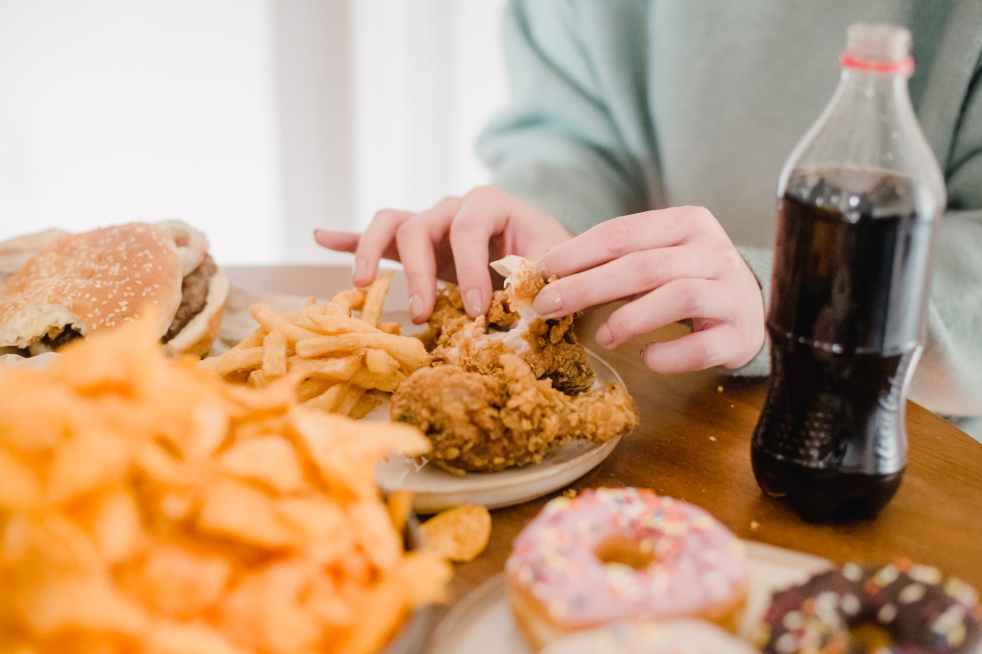
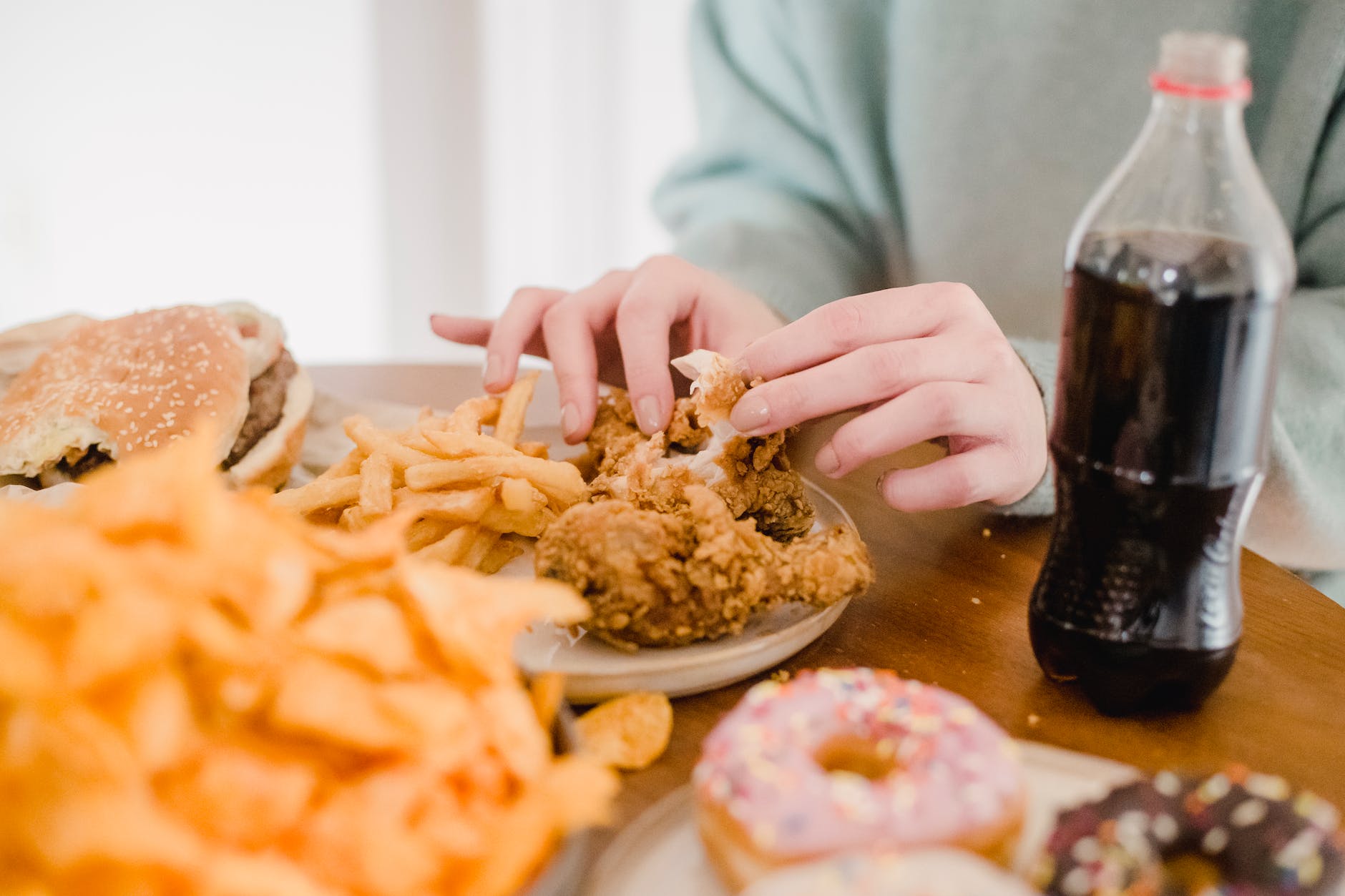
Ultra-processed foods include: prepared foods like hotdogs, hamburgers, pizza, chicken wings and nuggets, as well as breakfast cereals, candies, packaged snacks, sweetened yogurts and juices, and canned soups.

It’s an epidemic that does not get the attention it deserves. Therefore, we continue down a path of poor health and the evidence is mounting.

Childhood Obesity, and Childhood Type 2 Diabetes were basically unheard of a few decades ago, but have now become a serious concern.

Grocery stores (places we trust) are stuffed with products that pass as food. These foods, (those with lengthy labels attached), are well-known to be ultra-processed. Consider that for every real food there is an ultra-processed alternative.

What’s a concerned parent to do?

Of those utlra-processed foods, a staggering number of cereal boxes alone, target children, both from the visible packaging to heavily commercialized ads. These cereal boxes, and ads, are enticements that present an overwhelming pressure; let’s not even think about snacks, beverages, frozen pizza, cookies, and on and on.

The above speaks to the numerous challenges concerned parents face on a daily basis. And what many of us have come to realize…nagging kids to choose foods without added sugar, seed oils, and etc. is not the best approach.

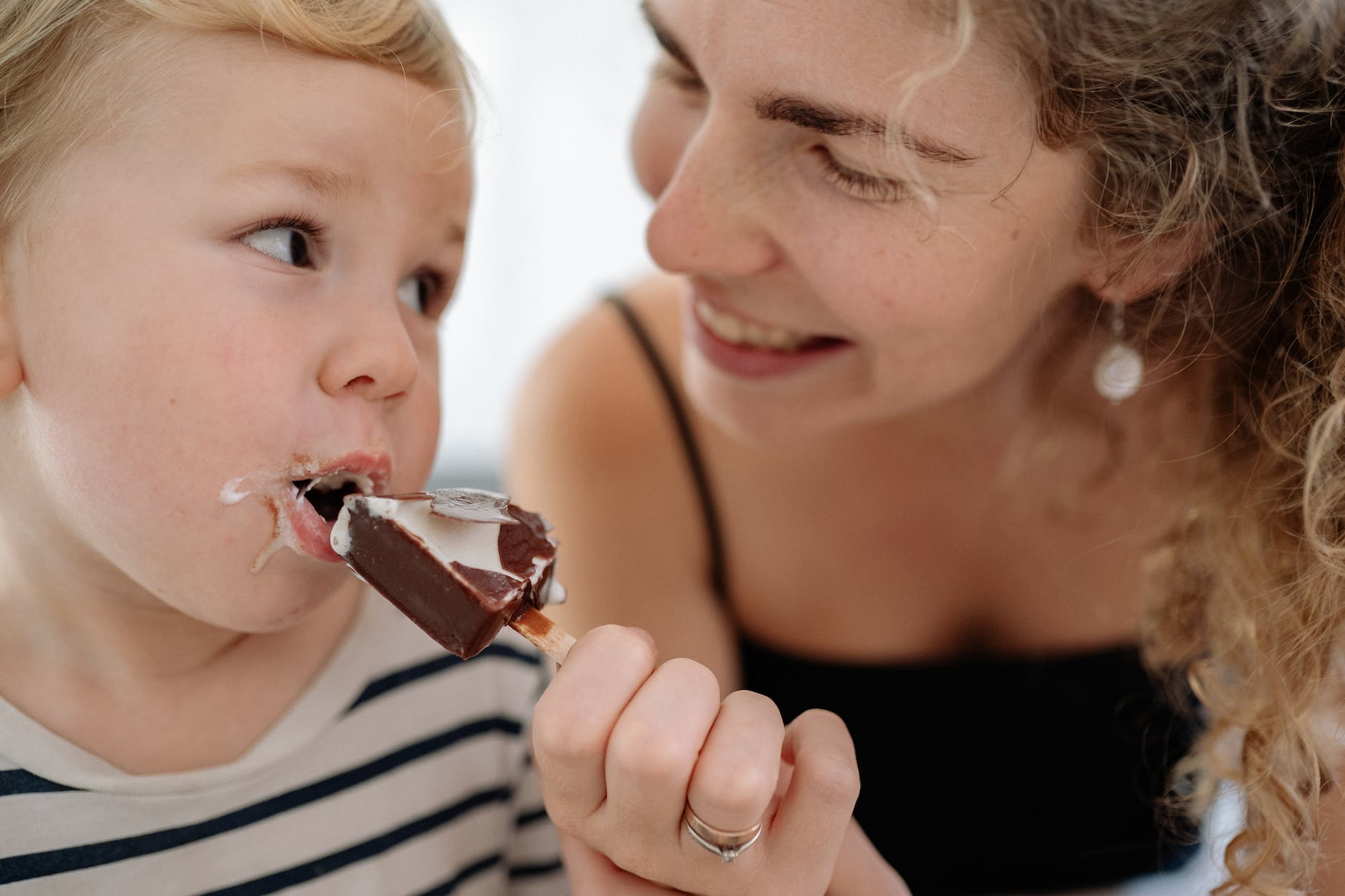
Deceptively Cute, Loving Picture – Not Helpful to Concerned Parents

So…given the almost insurmountable problems associated with kid targetted ads, pressure from peers, and of course…their own so called ‘sweet tooth’…what’s a concerned parent to do?

How do they reduce their child’s intake of sugar and ultra-processed food substitutes?

How to Get Kids Off Ultra-processed food

  1. Remember you are the parent…which means you are in charge. It might sound overly simple but the reality is…you don’t have to purchase the junk that your kids want. Putting your ‘proverbial’ foot down is not as hard as you might think. No one forces you to buy that horrible processed cereal (you don’t have to give in to the whining and nagging). Furthermore, with a little planning… breakfast can be nutritious and enjoyable. Examples include: plain yogurt with fruit, nuts, and seeds, scrambled eggs, whole wheat toast (especially if it’s homemade), hot cereal such as oatmeal or cream of wheat.
  2. Set the example…which means you have to stay away from the junk food…first! Kids don’t fall for their parent’s “do as I say, not as I do” speeches. This approach rarely works no matter how convincing you try to voice your concerns.
  3. Get educated…which means you have to understand the very real dangers of ultra-processed, sugar laden ‘foods’ to our metabolic health. With ample information, readily available online…there really is no excuse. Even a basic foundation on benefits to health and wellness, to a more indepth study at the cellular level…everyone can arm themselves with the facts. Knowledge is far more powerful than most people realize.
  4. Choose the right tools…which means investing your time and energy for the best items to spark the entire family into making better choices. This might be as simple as a jump rope to a more extravagant club membership. Whatever you decide, know that your efforts are worth every ounce of planning and penny spent (lol on that penny part…even though cost is not a laughing matter these days).

Choose Minimally Processed Foods for Your Children

  • Fresh vegetables and fruits (with more emphasis on vegetables, stay away from candies, carbonated soft drinks, “fruit” drinks and energy drinks)
  • Fresh meat and fish (avoid processed meats like hot dogs, sausages, luncheon meats, poultry and fish “nuggets” and “sticks”)
  • Dried legumes (avoid plant based meat substitutes)
  • Whole grains such as quinoa, brown rice, and whole wheat bread (restrict packaged breads, pastries, cakes, cookies, cake mixes)
  • Dairy products (organically raised and fed if possible; do not include flavored yogurts or processed cheese slices)

Read Labels… The longer the label the higher the ‘ultra’ part in ultra-processed.

To consider … choose the right books to help your child acquire their own health-awareness education.

Granola Brea Books by Suzanne Rightley might be just what your health-conscious family needs. This series of books is a small investment with an educational punch for kids between the ages of 10-14.

“Arming this age group, with a few healthy facts…before they are flung into the teen world, is a positive step toward helping your kids strive for, and achieve, health and wellness. If you don’t believe me…ask Granola Brea.” Suzanne, 2023

Children's Health · Kids Books · Nutritional Health · Parenting

Now is the Right Time to Educate Children on Matters of Health

Children today will shape health and wellness awareness tomorrow. Therefore, this is our time (concerned adults) to step up and give them the knowledge they need to effect those necessary changes.

To Do: Teach Them

  • Using detailed data, endless statistics, confusing graphs, blah, blah…which all equals “BORING” to children …. Or
  • Imagination, vision, and fiction… featuring a kid heroine with health facts spouting out of her mouth, ah, constantly, one hilarious predicament after another

If you’re a kid, the choice is obvious!

Sadly Our Reality Today is Loaded with Statistics… non of which is fictional…

Obesity and other metabolic diseases such as Type 2 Diabetes, Insulin Resistance, and Cardiovascular Disease have become a far worse “pandemic” than the Coronavirus ever hoped to achieve in its wildest dreams (assuming a virus could dream in terms of stardom).

In addition, adults are not the only victims. Children are not immune to metabolic diseases and the growing numbers of sick kids is frightening.

One Suggestion… Health Awareness as a new fiction genre for kids

Children’s fiction author, Suzanne Rightley, has two books published aimed at relaying healthy lifestyle choices to our children, directly, via fun/lively/often humourous dialogue… aka fiction (Genre: Health Awareness)

Besides her obvious goal of educating kids on matters of health/making healthy choices, Suzanne hopes to inspire other children’s authors to jump on board.

These are the ideal days to push helpful data to children.

Many parents and teachers are looking for material to support their efforts in assisting kids in matters of their own health and wellness. As authors we can give them helpful tools to back up their efforts.

Visit any of the following links to learn more about Suzanne’s fictional hero… affectionately known as Granola Brea…

Granola Brea Books on Amazon; Granola Brea Book Series Page; Suzanne Rightley’s Author Page for more information as well as a complete list of Rightley Books

Avoid Processed Food · Lifestyle Changes · Nutritional Health · Parenting

Ultraprocessed Food is not Real Food

An interesting CNN article came out recently… and it was an eye-opener. Well, maybe not for everyone, but surely a wakeup call for those who don’t consider real food with the respect and appreciation it deserves.

The following are excerpts from the article:

Eating a lot of ultraprocessed foods significantly increases men’s risk of colorectal cancer and can lead to heart disease and early death in both men and women, according to two new, large-scale studies of people in the United States and Italy published Wednesday in British medical journal The BMJ.

Ultraprocessed foods include prepackaged soups, sauces, frozen pizza, ready-to-eat meals and pleasure foods such as hot dogs, sausages, french fries, sodas, store-bought cookies, cakes, candies, doughnuts, ice cream and many more.

“Literally hundreds of studies link ultra-processed foods to obesity, cancer, cardiovascular disease, and overall mortality,” said Marion Nestle

More from the same article:

Processed and ultraprocessed meats, such as ham, bacon, salami, hotdogs, beef jerkey and corned beef, have long been associated with a higher risk of bowel cancer in both men and women, according to the World Health Organization, American Cancer Society and the American Institute for Cancer Research.

The new study, however, found that all types of ultraprocessed foods played a role to some degree.

A bit more:

“Americans consume a large percentage of their daily calories from ultraprocessed foods — 58% in adults and 67% in children,” she added. “We should consider substituting the ultraprocessed foods with unprocessed or minimally processed foods in our diet for cancer prevention and prevention of obesity and cardiovascular diseases.”

WHAT???? 67% of American children consume ultraprocessed food … DAILY!!!!! And people are worried about Covid? Sheesh!!!

  • Not that Covid isn’t a concern but when it comes to epidemics, it’s easy to see that metabolic diseases is the front runner by a long shot. How many lives are lost annually due to Obesity, Type 2 Diabetes, Dementia, and Cardiovascular Disease to name but a few.

More from this article:

In fact, over 80% of the foods classified by the guidelines followed in the study as nutritionally unhealthy were also ultraprocessed, said Bonaccio in a statement.

“This suggests that the increased risk of mortality is not due directly (or exclusively) to the poor nutritional quality of some products, but rather to the fact that these foods are mostly ultraprocessed,” Bonaccio added.

Not real foods the article adds:

Why are ultraprocessed foods so bad for us? For one, they are “ready-to-eat-or-heat industrial formulations that are made with ingredients extracted from foods or synthesized in laboratories, with little or no whole foods,” Zhang told CNN.

These overly processed foods are often high in added sugars and salt, low in dietary fiber, and full of chemical additives, such as artificial colors, flavors or stabilizers.

Photo by Tim Samuel on Pexels.com

Ultraprocessed food isn’t real food… DUH… who knew?

Their suggestion…

“While some ultraprocessed foods may be considered healthier than others, in general, we would recommend staying away from ultra-processed foods completely and focus on healthy unprocessed foods — fruits, vegetables, legumes,” Mendelsohn said.

In case you want to read the article in its entirety go to: CNN article here

Time to get serious..

We, the adults, are responsible for what we feed our children. Maybe our parents didn’t feed us right, and maybe that set us up with bad nutritional habits. They may have done so in ignorance… they believed all those food guides, and ah… they thought the stuff in supermarkets and grocery stores was… ah… food. Why would they think otherwise?

We, today, are in a different place. We have the information. We can make changes. We aren’t ignorant. We know that all things in food markets aren’t necessarily good for us or even classified as food. We can do better. We can help our children, and eventually, they (thanks to us) will turn this disastrous ship around… so to speak. Let’s help them stay healthy. Let’s educate them well, and let’s all look forward to a better, healthier world in the days, weeks, months, okay… years ahead.

Thanks for the visit

Suzanne Rightley is an author of children’s fiction books. Her Granola Brea Health-nut Series addresses metabolic disease in a way that children can understand. They find humour in Granola Brea’s…ah…mishaps, as they learn how to become health-nuts themselves.

After all… learning about making healthy choices doesn’t have to be “boring”, lol.

thanks for the visit