Today’s kids eat far too many ultra-processed foods or real-food-alternatives. Most people know this.
Besides the health problems (cardiovascular disease, high blood pressure, type 2 diabetes, obesity, depression, and some types of cancer) associated with a high ultra-processed diet… is the far more alarming false distinction that exists between ultra-processed food and junk food.
It’s Confusing… especially for children
For example: Soda and potato chips compared to fruit juice and most granola bars…one sounds like ‘junk food’ and the other sounds ‘healthy’.
The reality however is far different. Chips and most granola bars, soda and fruit juice… ultra-processed.
Sadly, not all parents are aware, or they don’t take this problem seriously. Maybe, they themselves are addicted to an ultra-processed diet, and the cycle continues.
The scary facts: By some estimates (depending on what article you’ve read) a staggering 73% of food products in our grocery stores are ultra-processed.
The Results for Our Children…
- A 2022 study by the American Society for Nutrition found that kids who consumed more ultra-processed foods had lower levels of physical fitness.
- Researchers from England’s Imperial College London stated that high consumption of ultra-processed foods increased risk of childhood obesity. They discovered that one in five kids obtained 78% of their calories from ultra-processed foods.
- The CDC reported a high obesity rate among children and teens…a staggering 14.4 million.
- First Steps Nutrition Trust (UK) found nearly one third of baby/toddler foods are ultra-processed.
- Studies also showed lower cardiovascular fitness in 12-15 year-old kids who consumed ultra-processed foods.
What does this mean for concerned parents?
Our children are consuming things today, that were not available to them, say, one hundred years ago…give or take a decade or two.
Added sugar, seed oils, chemicals, preservatives, emulsifiers, and so on literally plague our modern foods and they are slowly, but steadily…killing us.
The trajectory our children are currently on… those who eat more ultra-processed foods… is an unhealthy life as adults…
- A recent study published in Cell Metabolism found that an ultra-processed diet led to an increase in liver fat, body weight, fat mass, and insulin resistance.
- Another study found that these adults were more likely to develop type 2 diabetes, cardiovascular disease, obesity, and other metabolic diseases.
Ultra-processed foods include: prepared foods like hotdogs, hamburgers, pizza, chicken wings and nuggets, as well as breakfast cereals, candies, packaged snacks, sweetened yogurts and juices, and canned soups.
It’s an epidemic that does not get the attention it deserves. Therefore, we continue down a path of poor health and the evidence is mounting.
Childhood Obesity, and Childhood Type 2 Diabetes were basically unheard of a few decades ago, but have now become a serious concern.
Grocery stores (places we trust) are stuffed with products that pass as food. These foods, (those with lengthy labels attached), are well-known to be ultra-processed. Consider that for every real food there is an ultra-processed alternative.
What’s a concerned parent to do?
Of those utlra-processed foods, a staggering number of cereal boxes alone, target children, both from the visible packaging to heavily commercialized ads. These cereal boxes, and ads, are enticements that present an overwhelming pressure; let’s not even think about snacks, beverages, frozen pizza, cookies, and on and on.
The above speaks to the numerous challenges concerned parents face on a daily basis. And what many of us have come to realize…nagging kids to choose foods without added sugar, seed oils, and etc. is not the best approach.
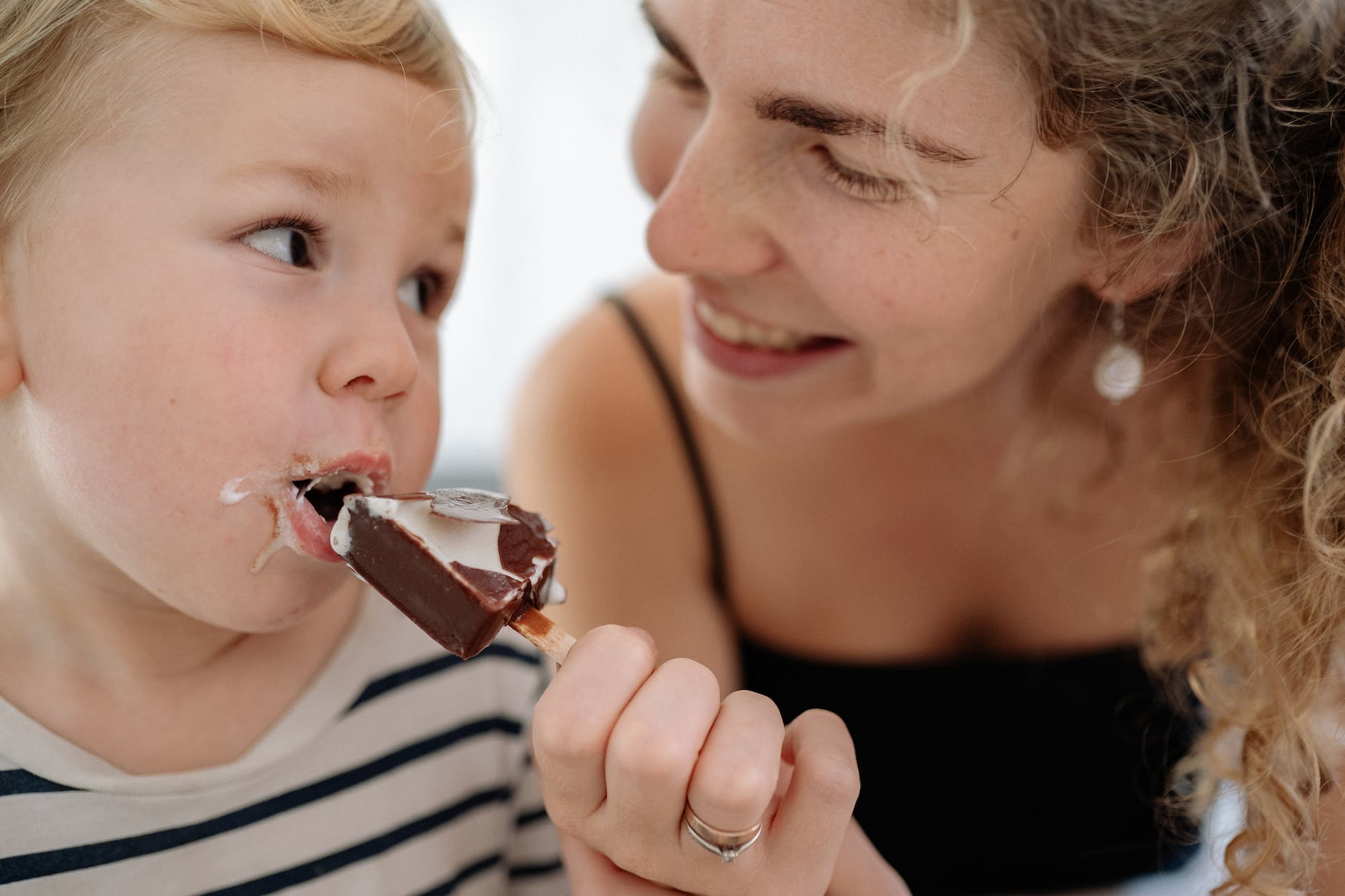
Deceptively Cute, Loving Picture – Not Helpful to Concerned Parents
So…given the almost insurmountable problems associated with kid targetted ads, pressure from peers, and of course…their own so called ‘sweet tooth’…what’s a concerned parent to do?
How do they reduce their child’s intake of sugar and ultra-processed food substitutes?
How to Get Kids Off Ultra-processed food
- Remember you are the parent…which means you are in charge. It might sound overly simple but the reality is…you don’t have to purchase the junk that your kids want. Putting your ‘proverbial’ foot down is not as hard as you might think. No one forces you to buy that horrible processed cereal (you don’t have to give in to the whining and nagging). Furthermore, with a little planning… breakfast can be nutritious and enjoyable. Examples include: plain yogurt with fruit, nuts, and seeds, scrambled eggs, whole wheat toast (especially if it’s homemade), hot cereal such as oatmeal or cream of wheat.
- Set the example…which means you have to stay away from the junk food…first! Kids don’t fall for their parent’s “do as I say, not as I do” speeches. This approach rarely works no matter how convincing you try to voice your concerns.
- Get educated…which means you have to understand the very real dangers of ultra-processed, sugar laden ‘foods’ to our metabolic health. With ample information, readily available online…there really is no excuse. Even a basic foundation on benefits to health and wellness, to a more indepth study at the cellular level…everyone can arm themselves with the facts. Knowledge is far more powerful than most people realize.
- Choose the right tools…which means investing your time and energy for the best items to spark the entire family into making better choices. This might be as simple as a jump rope to a more extravagant club membership. Whatever you decide, know that your efforts are worth every ounce of planning and penny spent (lol on that penny part…even though cost is not a laughing matter these days).
Choose Minimally Processed Foods for Your Children
- Fresh vegetables and fruits (with more emphasis on vegetables, stay away from candies, carbonated soft drinks, “fruit” drinks and energy drinks)
- Fresh meat and fish (avoid processed meats like hot dogs, sausages, luncheon meats, poultry and fish “nuggets” and “sticks”)
- Dried legumes (avoid plant based meat substitutes)
- Whole grains such as quinoa, brown rice, and whole wheat bread (restrict packaged breads, pastries, cakes, cookies, cake mixes)
- Dairy products (organically raised and fed if possible; do not include flavored yogurts or processed cheese slices)
Read Labels… The longer the label the higher the ‘ultra’ part in ultra-processed.
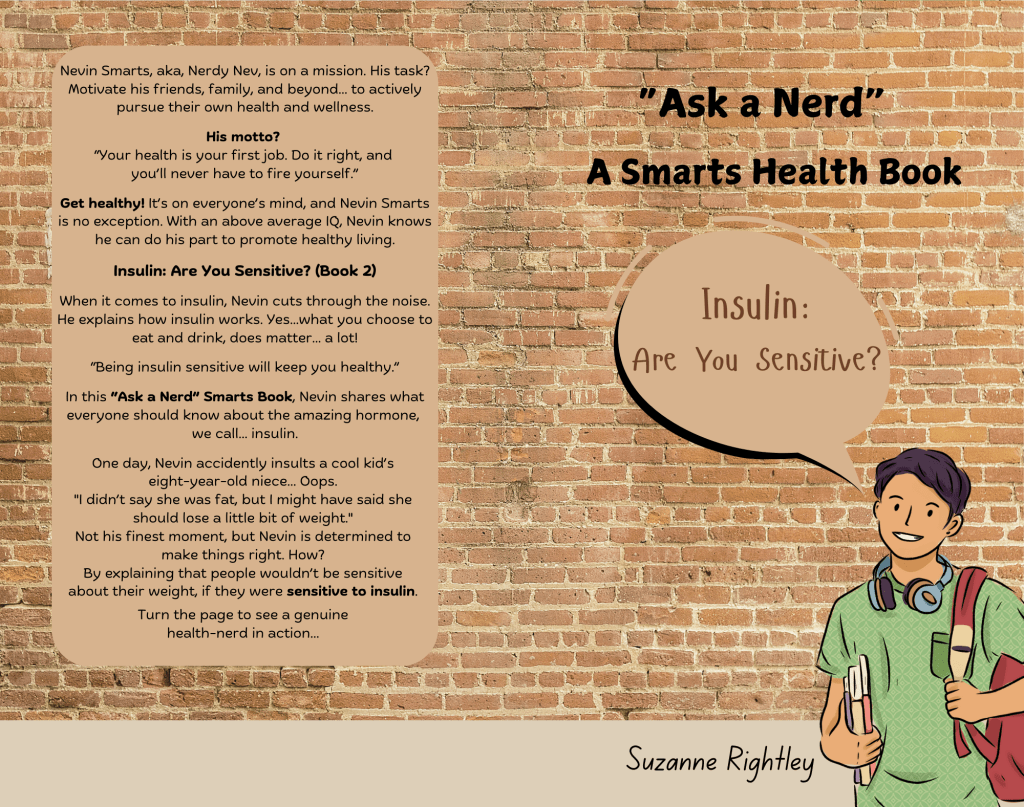
To consider … choose the right books to help your child acquire their own health-awareness education.
Granola Brea Books by Suzanne Rightley might be just what your health-conscious family needs. This series of books is a small investment with an educational punch for kids between the ages of 10-14.
“Arming this age group, with a few healthy facts…before they are flung into the teen world, is a positive step toward helping your kids strive for, and achieve, health and wellness. If you don’t believe me…ask Granola Brea.” Suzanne, 2023



 abetterchat