Opinions · Parenting · Society and Values

Thoughtful Words or Thoughtless Remarks

To coin an old phrase… ‘Sticks and stones may break my bones but…’

About that but part…

Of course, most of us are familiar with this adage…for good reason. We recognize the second part for what it is…bravado. The truth is a different matter, because yes…words can, and do, most certainly hurt us.

Whether we admit it or not, words affect us.

Kind, thoughtful words encourage, while hateful, judgmental words tear us down.

Furthermore, social media has added a whole new dimension to ‘conversations’ and not always for the best.

It’s easy to fire off a comment, a rebuttal, a criticism considering the anonymity of the Internet. A thoughtless remark has no consequence to the one making it… but to the recipient… well, the words may ‘sting’.

Much has been said about this and a lengthy post is not needed. We get it. However, a reminder, once in a while, may help us to do better.

With that in mind… consider a slight pause before pushing that send button. Think… “Would I say this, to this person, if I were face to face with him or her?”

Moreover, if we are parents, guardians, and teachers, let’s not forget – for a moment – the example we set for our children. We have the responsibility of helping them to adjust and grow into their soon to be adult-selves. If we ever hope for a kinder world, we ought to consider the impact we make on the future generation.

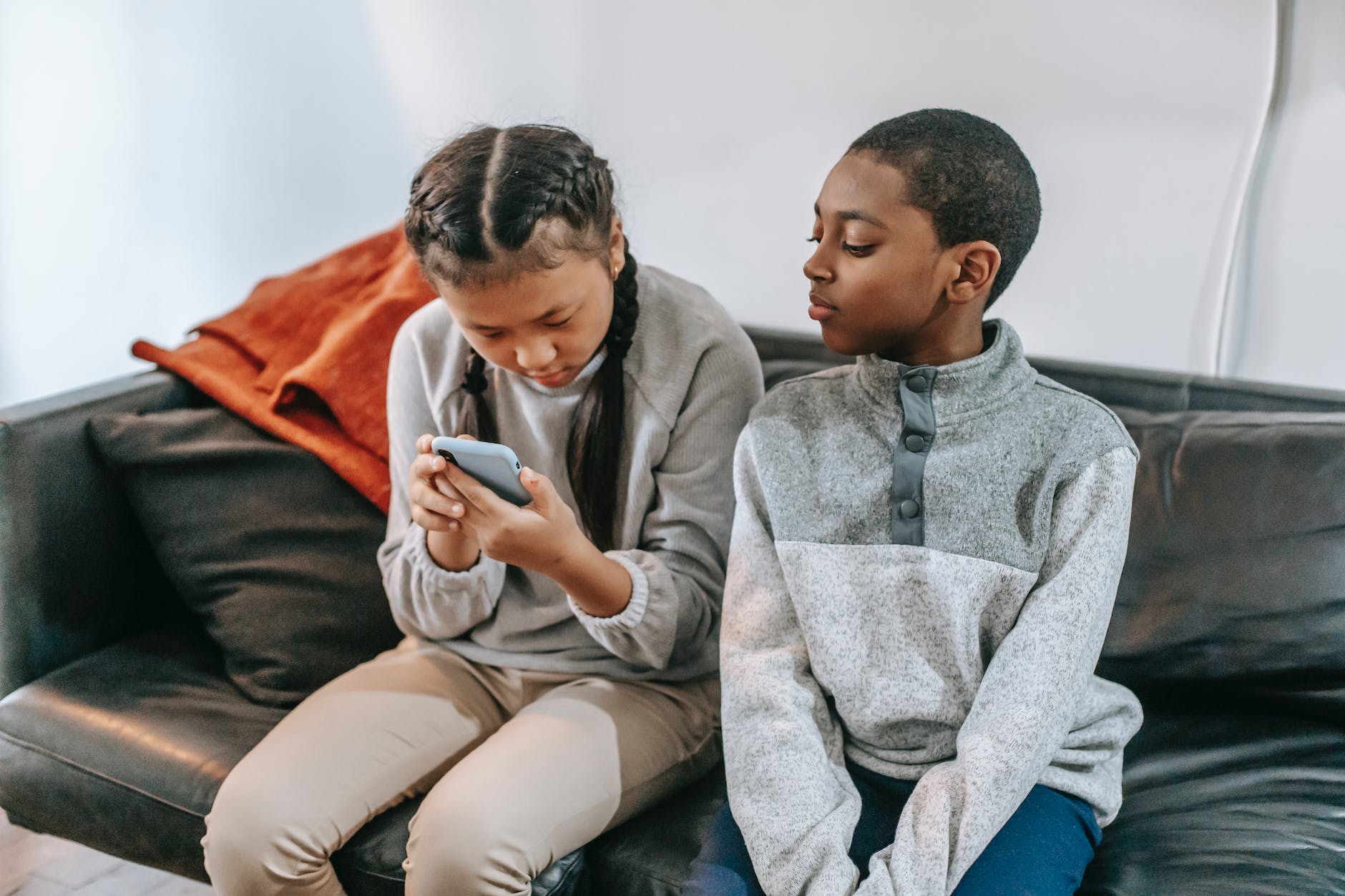
Photo by Katerina Holmes on Pexels.com

Suzanne Rightley is an author of children’s fiction stories. Visit her author page for a list of her books.

Visit her website at suzannerightley.com

Benefits of fictional stories for kids · formative years · Kids Books · Parent and child relationships · Parenting · Parenting Tips · Relationships

Kids Books Make Great Gifts

Fiction and non-fiction books may seem like a ‘traditional’ gift, but consider that the novelty of a new book never wears off for kids.

Timeless Benefits of Kids Fiction Books

Encourages Critical Thinking

  • Reading story books remains one of the best ways for children to develop independent thinking skills. ‘Toy trends’ come and go, but exploring life, through the written word, continues to be timeless adventures for kids of all ages and a welcome gift.
  • Bear in mind that books delve into the thoughts and behaviours of other people – how these individuals respond to the world – what works for them, what doesn’t, how their actions and reactions affect others, consequences of behaviour, and etc.
  • In other words, a child safely learns what other people experience in life, a life that may or may not be similar to their own.
  • Furthermore, children are given an opportunity to ‘intuitively’ form opinions, establish values, evaluate merits of character traits, and so much more as they gather information about the world outside of their immediate environment.
  • Therefore, books do make great gifts for kids…however, choose them wisely considering how impressionable children are at different ages.

Builds Vocabulary and Develops Grammar Skills

  • A well-written children’s book will include a broad use of the English language. A properly constructed sentence will utilize the ‘inference’ concept which makes a word’s definition obvious. Furthermore, e-readers have built in definition software. Hovering over a word means kids quickly learn new words while enjoying uninterrupted reading.
  • Plenty of quality reading time means a child builds a familiarity for a foundation in sentence/paragraph structure, lively dialogue, and etc. This will prove invaluable for future creative writing, essays, reports, and so forth.
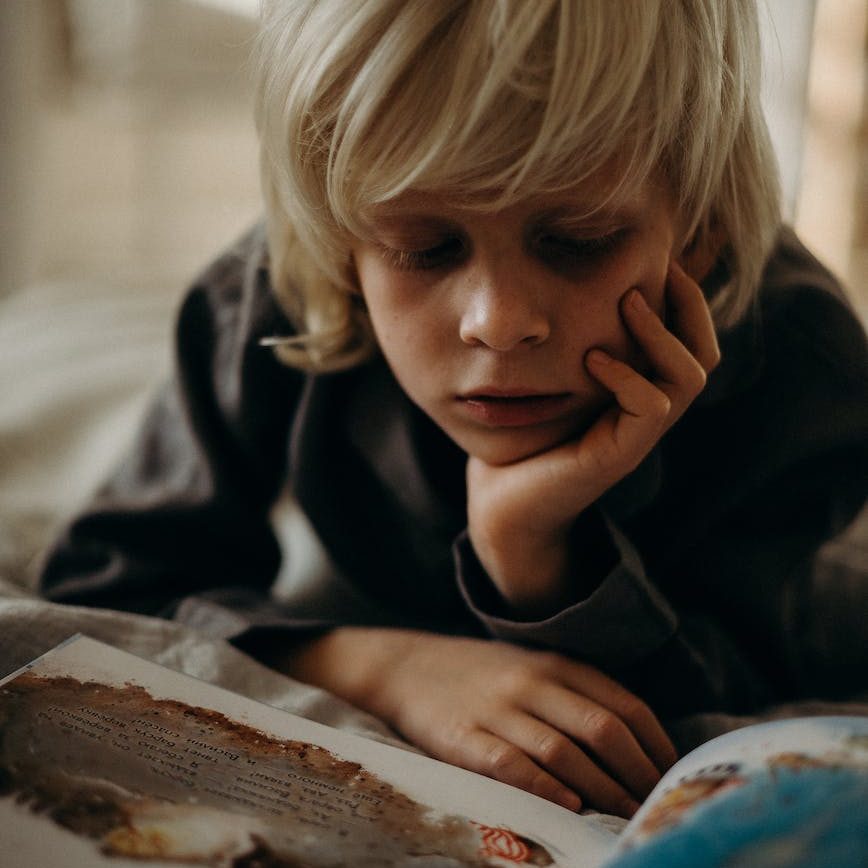
Photo by cottonbro studio on Pexels.com

Provides Much Needed Quiet Time

  • Life has become overly stressful for many children today. Social media and busy schedules mean a child’s day can be demanding, leaving many children pressured to ‘keep up’.
  • Leisurely reading, that has no objective, other than ‘getting lost’ in a make-believe story, can provide a child’s growing brain some peace and relaxation. Similar to walking outdoors without earbuds delivering lyrics or podcasts hashing out problems, a ‘mindless’ walk enables a person to appreciate the smells, sounds, and visuals of nature. Likewise, fiction allows the mind to wander in the imagination.

Develops Comprehension and Awareness

  • It might go without saying, however the ability to understand what a person is reading is a life skill developed during childhood – thanks to both fiction and non-fiction content.
  • Understanding what we read is paramount in importance, but something that we generally take for granted.
  • Providing children with an abundance of varied reading material cannot be underestimated in its value.
  • Determine what a child finds most interesting (usually something that has a certain amount of humour) and broaden their learning experience from there.

‘To Do’ Suggestions for Parents

Many parents spend hours and hours reading books with their toddlers and preschoolers. This provides quality time to discuss a variety of topics and life skills.

Then one day, their children are reading on their own and their shared reading experience drops off…

Although young readers may not require their parents’ assistance, it is worth noting that children continue to need guidance throughout their formative years. Therefore…

  • Be aware of your child’s reading choices; busy lifestyles mean many things slip by parents; consider that the books your child is reading may be replacing your wise counsel
  • If the books they choose are inappropriate and potentially harmful, strive not to be critical of their choice but rather critical of the content; take the opportunity to explain why the material is not what you expect them to read
  • Remember that the books your child chooses is their choice – not yours; do not make demands that they read non-fiction if they prefer fiction or vice versa or insist they read mystery stories if they do not enjoy them. Whodunnits may by your preferred genre but your child may love science-fiction
  • If possible… read as many of the books your child chooses yourself; knowing the content of the books your child is reading provides an opportunity for discussion – try to keep it upbeat and friendly, share your thoughts and hopefully your child will share his or hers…

Life is a learning journey and books provide an excellent resource for open, frank discusssions on which to build parent/child relationships to last a life time.

Thanks for the visit

Suzanne Rightley is an author of children’s fiction stories. Visit her author page to discover if her books would make a reading gift for the child you know and love.

Avoid Processed Food · Lifestyle Changes · Nutritional Health · Parenting

Ultraprocessed Food is not Real Food

An interesting CNN article came out recently… and it was an eye-opener. Well, maybe not for everyone, but surely a wakeup call for those who don’t consider real food with the respect and appreciation it deserves.

The following are excerpts from the article:

Eating a lot of ultraprocessed foods significantly increases men’s risk of colorectal cancer and can lead to heart disease and early death in both men and women, according to two new, large-scale studies of people in the United States and Italy published Wednesday in British medical journal The BMJ.

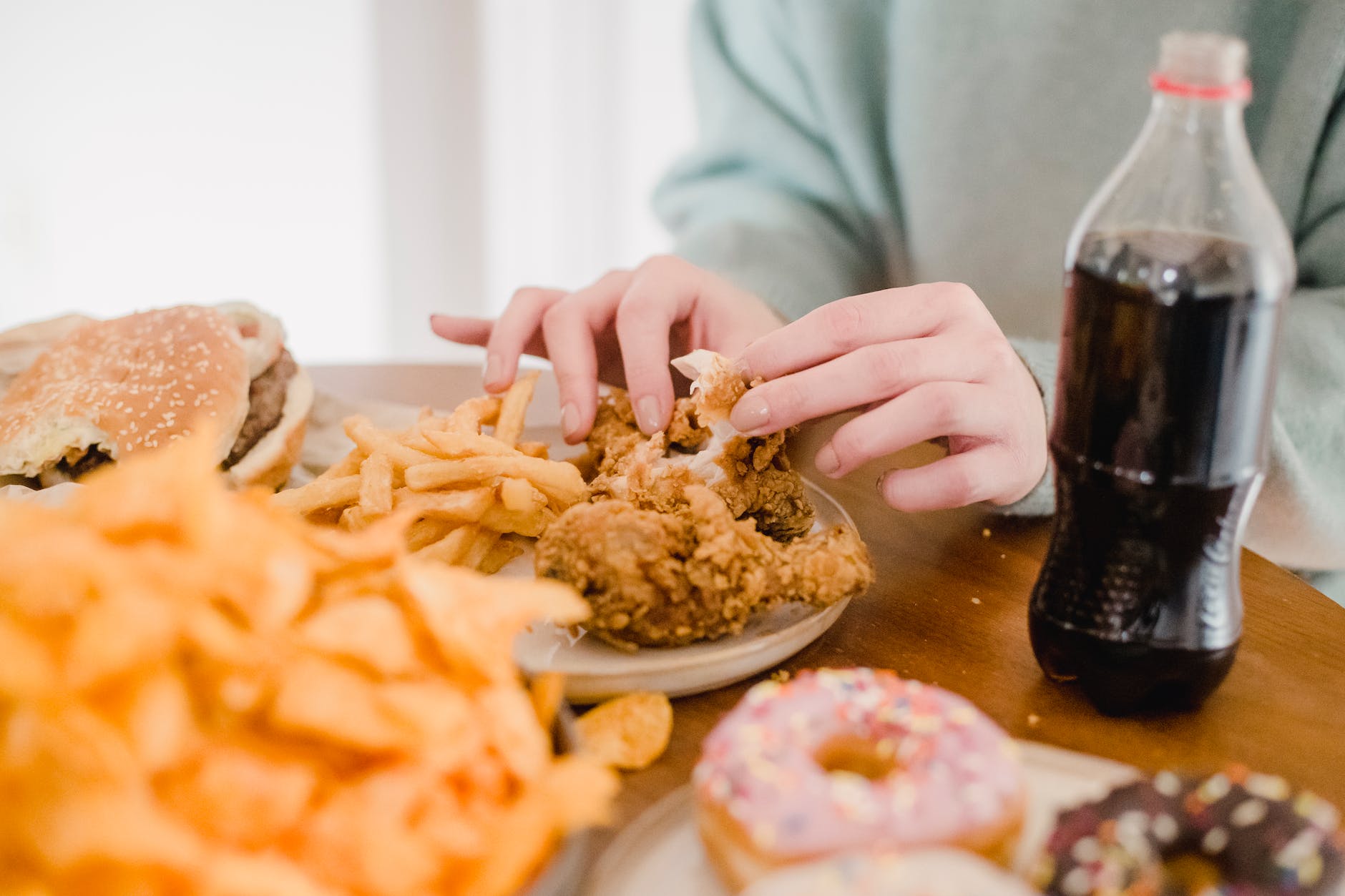
Ultraprocessed foods include prepackaged soups, sauces, frozen pizza, ready-to-eat meals and pleasure foods such as hot dogs, sausages, french fries, sodas, store-bought cookies, cakes, candies, doughnuts, ice cream and many more.

“Literally hundreds of studies link ultra-processed foods to obesity, cancer, cardiovascular disease, and overall mortality,” said Marion Nestle

More from the same article:

Processed and ultraprocessed meats, such as ham, bacon, salami, hotdogs, beef jerkey and corned beef, have long been associated with a higher risk of bowel cancer in both men and women, according to the World Health Organization, American Cancer Society and the American Institute for Cancer Research.

The new study, however, found that all types of ultraprocessed foods played a role to some degree.

A bit more:

“Americans consume a large percentage of their daily calories from ultraprocessed foods — 58% in adults and 67% in children,” she added. “We should consider substituting the ultraprocessed foods with unprocessed or minimally processed foods in our diet for cancer prevention and prevention of obesity and cardiovascular diseases.”

WHAT???? 67% of American children consume ultraprocessed food … DAILY!!!!! And people are worried about Covid? Sheesh!!!

  • Not that Covid isn’t a concern but when it comes to epidemics, it’s easy to see that metabolic diseases is the front runner by a long shot. How many lives are lost annually due to Obesity, Type 2 Diabetes, Dementia, and Cardiovascular Disease to name but a few.

More from this article:

In fact, over 80% of the foods classified by the guidelines followed in the study as nutritionally unhealthy were also ultraprocessed, said Bonaccio in a statement.

“This suggests that the increased risk of mortality is not due directly (or exclusively) to the poor nutritional quality of some products, but rather to the fact that these foods are mostly ultraprocessed,” Bonaccio added.

Not real foods the article adds:

Why are ultraprocessed foods so bad for us? For one, they are “ready-to-eat-or-heat industrial formulations that are made with ingredients extracted from foods or synthesized in laboratories, with little or no whole foods,” Zhang told CNN.

These overly processed foods are often high in added sugars and salt, low in dietary fiber, and full of chemical additives, such as artificial colors, flavors or stabilizers.

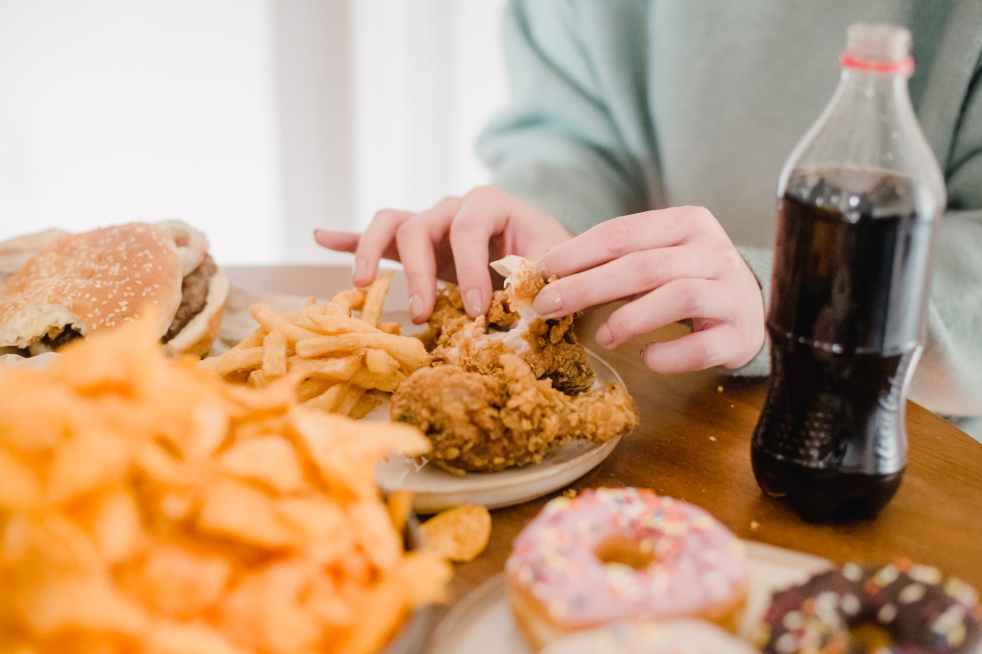
Photo by Tim Samuel on Pexels.com

Ultraprocessed food isn’t real food… DUH… who knew?

Their suggestion…

“While some ultraprocessed foods may be considered healthier than others, in general, we would recommend staying away from ultra-processed foods completely and focus on healthy unprocessed foods — fruits, vegetables, legumes,” Mendelsohn said.

In case you want to read the article in its entirety go to: CNN article here

Time to get serious..

We, the adults, are responsible for what we feed our children. Maybe our parents didn’t feed us right, and maybe that set us up with bad nutritional habits. They may have done so in ignorance… they believed all those food guides, and ah… they thought the stuff in supermarkets and grocery stores was… ah… food. Why would they think otherwise?

We, today, are in a different place. We have the information. We can make changes. We aren’t ignorant. We know that all things in food markets aren’t necessarily good for us or even classified as food. We can do better. We can help our children, and eventually, they (thanks to us) will turn this disastrous ship around… so to speak. Let’s help them stay healthy. Let’s educate them well, and let’s all look forward to a better, healthier world in the days, weeks, months, okay… years ahead.

Thanks for the visit

Suzanne Rightley is an author of children’s fiction books. Her Granola Brea Health-nut Series addresses metabolic disease in a way that children can understand. They find humour in Granola Brea’s…ah…mishaps, as they learn how to become health-nuts themselves.

After all… learning about making healthy choices doesn’t have to be “boring”, lol.

thanks for the visit

Character Development · Lifestyle Changes · Nutritional Health · Parenting · Parenting Tips

Nurturing Nutrition in Formative Years

It is generally understood that from conception to the first five to seven years of life (some argument here) a child’s brain is like a computer that readily accepts ‘downloads’ without any conscious effort on their part.

To understand the impact of the above statement, all a person needs to do is consider their own ‘default’ mechanisms. Example: under stressful situation what is his or her automatic reaction – run to the fridge, go full on silent treatment toward others, throw something, etc?

Parental Responsibility/Opportunity/Duty?

  1. Responsibilty – Parents want the best for their children. They want them to find their place in this world and to be content, happy, well-adjusted in life – in their careers, and personal relationships.
  2. Opportunity – Parents know the importance of the formative years. This is where a knowledgable parent takes advantage, and seizes the moment to build ‘character traits’ within the subconscious of their offspring, nurturing their individuality, personality, and intellect.
  3. Duty – Parents are expected to ‘rear’ their children into productive members of society. Is there a nation on earth that welcomes deviant behaviour in its citizens? Obviously not. To the contrary, a country can only benefit from a responsible, law-abiding population.
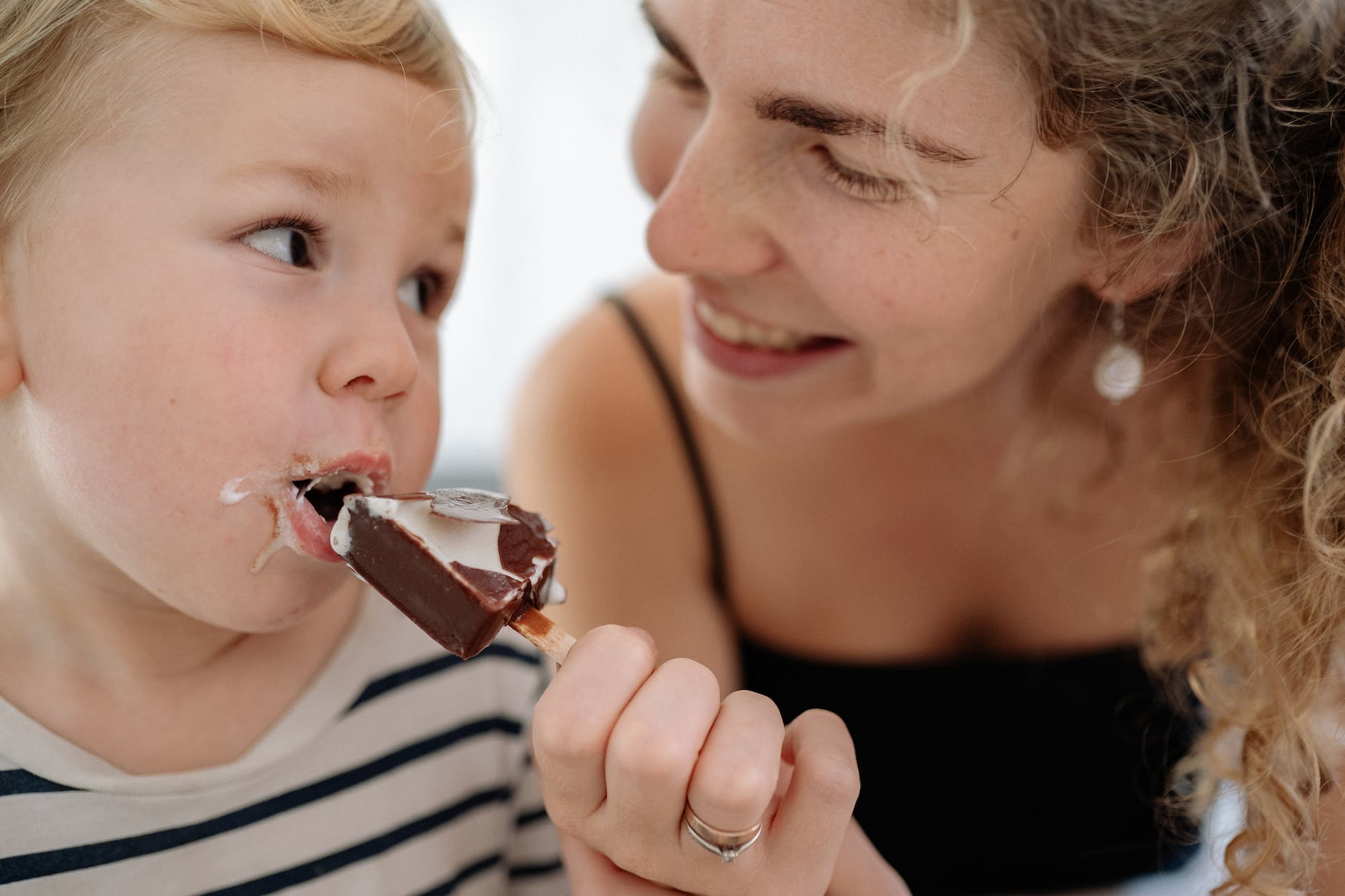
Photo by Pixabay on Pexels.com

Nutrition and Making Healthy Choices

Parents are in a unique place…

  • They can educate their children on merits of nutrition
  • They can provide them with nutritious meals, controlled snacks, necessary intermittent fasting intervals (refering to time needed between meals for metabolic health reasons)
  • Establish patterns of activity, exercise, sports, and so forth as a way of life; sitting around in front of TV screen/computer/mobile devices is not the best way to ‘pass time’ away

Ultimately… parents are the primary programmers of their child’s developing brain. The old adage of ‘do as I say, not as I do’ should give every parent of moment of reflection. Children are far more likely to ‘download’ your responses, your means of dealing with pressure, your choices, and etc. by what they witness you doing.

So, when it comes to making healthy food choices, help your growing child establish healthy patterns by first establishing your own. You might be able to give an impressive lecture on nutrition and the dangers of ‘added sugar’, but if your go-to response in times of stress is a bag of Oreos or a pint of Haagen-Dazs…

Then don’t be surprised if your child doesn’t make healthy food choices when hanging out with his or her friends.

Thanks for the visit.

Suzanne Rightley is a children’s author. She writes for independent readers between the ages of 7-15. Her genres include: mystery (7-9) detective (12+) sports-themed (12+) and health awareness (10-14).

For parents and teachers who look to educate kids in matters of health – Suzanne’s Granola Brea Series addresses issues of obesity, diabetes, dementia, and other metabolic diseases associated with poor lifestyles, including nutrition. Children learn about importance of making healthy choices as they laugh along with a 12-year-old health-nut… one hilarious incident after another.

After all… eating healthy isn’t always an easy thing to do… in our junk-food, overly processed world!

Visit Granola Brea’s Page on Suzanne Rightley‘s official website: Granola Brea Health-Nut