Character Development · Parenting · Parenting Tips · Society and Values

Why Teaching a Child to “Ask” is a Great Character Forming Skill

Parents, good parents, and even less than good parents, have several things in common.

It doesn’t matter where we live, north, south, east, or west, parents love their kids, and they want the best for them.

Obviously, the above statement simpliflies the hopes and dreams that parents have for their children… but, you get the idea. Parents want their kids to grow up, be good citizens, and ultimately they want them to be happy in life.

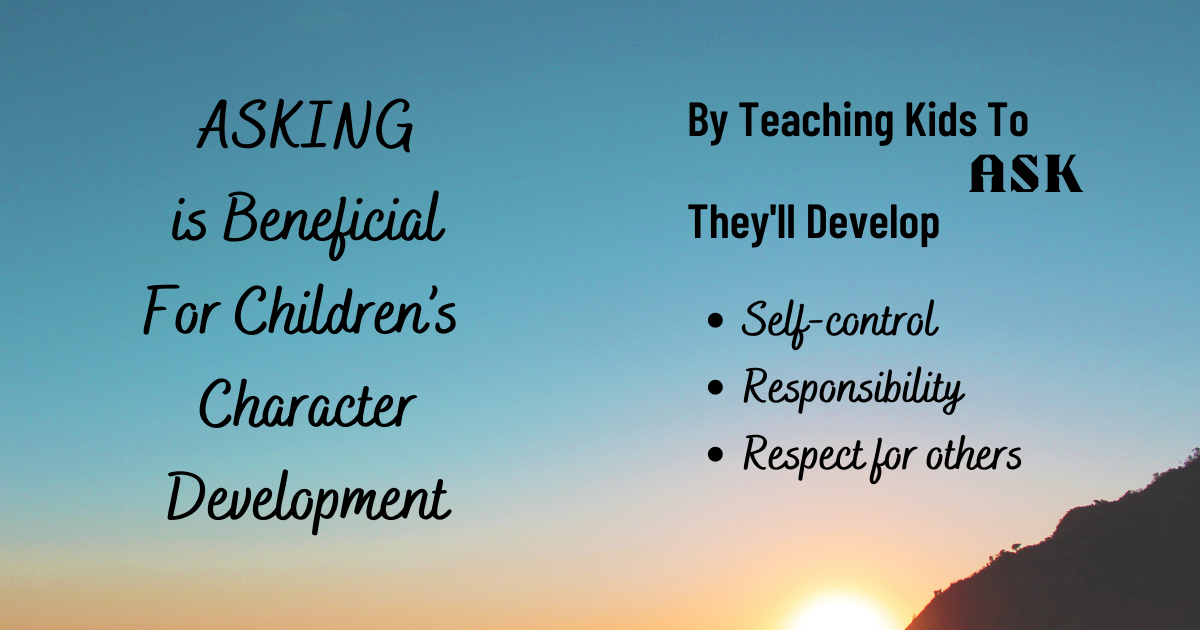
Why Teach Kids to “ASK”
Think about it…

If a person takes the time to ‘ask’ permission for… well, just about anything… that person understands and respects the ownership of someone else. “May I use your restroom?” “Can you give me a lift, after work?” “Is it okay to use your name as a reference?” and so on and so on.

No-brainer you say?

Not true. Someone (hint, hint… a parent, teacher, neighbour, etc.) somehow or someway taught you and I the importance of ‘asking’.

Now consider the thief, the fraudster, plagiarist, etcetera – ‘asking’ seldom makes it to top of their priority list.

No… teaching a child to ask may seem like a ‘no-brainer’ because we kind of do it — naturally, but for the purpose of this blog… let’s consider how much better a child’s life could be … if … he or she, were specifically taught to ask.

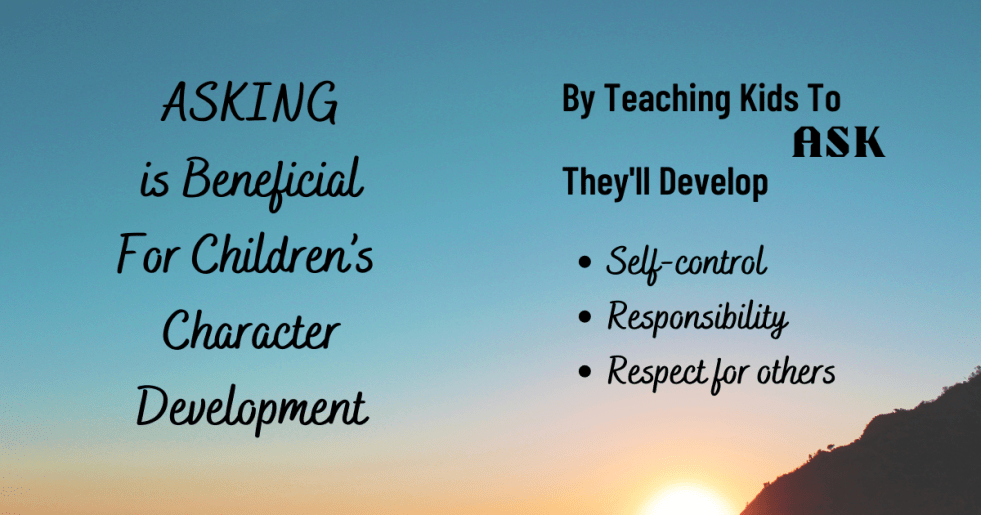
  1. Self-control – Teaching a child to ask is directly teaching them how to control themselves. Asking permission begins the process of setting limits. “Can I go out to play?” (Not now, you haven’t finished your homework.) “May I have another piece of cake?” (Too much added sugar isn’t healthy for you.)
  2. Responsibility – The underlying concept of ‘asking permission’ is the recognition of ownership. We ask others for the use of their things because we understand that those things belong to someone else. Furthermore, we have our own things that we are responsible for. Asking ultimately makes us responsible owners… We learn to ‘take care of our things’ once we are taught to appreciate our own possessions. “Can I play with your Legos?” (Okay, but don’t throw them all over my room.) This could be an example of two children who have been taught to recognize the value of ownership and the importance of asking permission.
  3. Respect for Others – Teaching children to ask is teaching children to be respectful for the rights of other people. At the end of the day… whether we agree or disagree with the actions of our friends, neighbours, etc… it becomes secondary to their rights of ownership (the items they own and the stipulations they place upon their belongings, or their thoughts, views, opinions, and beliefs). Being respectful is a valuable character trait that is undeniably appreciated the world over.

In summary…

Teaching kids to ask is the responsibility of adults. It’s an easy concept to incorporate in daily life. “Did you ask me if it was okay to shove your dirty socks under the bed instead of the laundry hamper?” Add a lengthy speech about odors, bacteria, and the fact that sooner or later they’ll run out of clean socks… and you’ve taught a child that asking first may be the easiest, and less annoying way, to gravitate through life.

Thanks for your visit. Please check out Children’s Fiction Books written by Suzanne Rightley on her website: suzannerightley.com
Avoid Processed Food · Fiction story for kids 10-14 · Insulin Resistance · Kids Books · Nutritional Health

Granola Brea Book Series

Fiction for kids 10-14 who enjoy a few laughts while learning how to make healthy choices.

Brea isn’t your average 12-year-old girl. Nope! She’s a HEALTH-NUT (all caps).

Wholesome food is her thing… she studies and she knows a lot.

What Brea doesn’t know, is how to keep her big mouth shut.

She better figure it out…and soon…or Brea might find herself–on stage–at her brother’s high-school…gulp…as the keynote speaker!

In Confessions of a Health-nut… Granola Brea follows her destiny…

But challenging a crowd of unruly, junk-food obsessed teenagers — might mean an urgent call for the police!

In Spotlight on a Health-nut… Granola Brea’s destiny seems to be following her…

What do acorns, sleepover, school assembly, and a farmer’s market have to do with making healthy food choices?

Get ready to find out!

Move over doctors and scientists – it’s time for a kid to step up to explain what’s what!

Granola Brea Books 1 & 2 Available on Amazon

Granola Brea Books are hilarious tales of what one determined girl can accomplish with just a little bit of nutritional knowledge…

Note to Parents and Teachers

  • Ideal for indepedendent readers 10 +
  • Lively dialog between friends, family, community
  • Plenty of hilarious predicaments/occasional clashes, appealing to a child’s natural love of all things humorous
  • Delivers valuable healthy lifestyle info; instils the value of healthy choices
  • The main character is an independent thinker; she’s brave, sets goals, and demonstrates a willingness to battle her own fears, with the support and encouragement of family/friends
  • Health-conscious readers can identify with Granola Brea; navigating in a world of poor health choices, is a challenge for us all, yet this 12-year-old presses on, through all sorts of adversity…holding on to the nutritional facts
  • Ultimately, this series of books aims to increase awareness; topics such as Type 2 Diabetes, Obesity, and other metabolic-related diseases are explored… via the gentler, less-threatening format…we love…fiction

Book 1 Confessions of a Health-nut

Book 2 Spotlight on a Health-nut

Book 3 Coming Soon

Fiction for girls 7-9 · Kids Books · Mystery Stories for Girls · Pioneer Kids Fiction

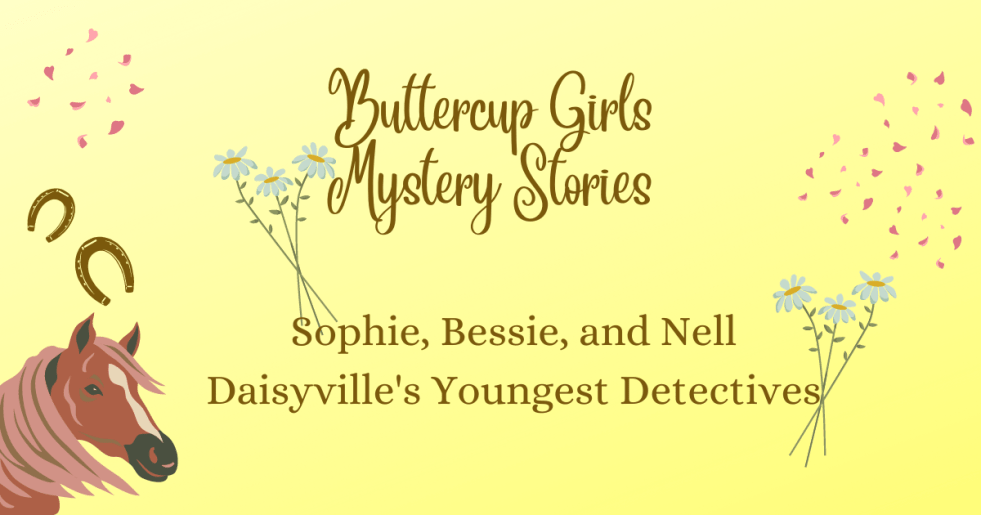
Buttercup Girls Mystery Stories

Three friends solve humourous tales of intrigue in fictional old west setting

Sophie, Bessie, and Nell are Daisyville’s youngest detectives. Thanks to their investigative know-how, the local Sheriff can put his feet up and enjoy his coffee.

And that’s a good thing, because this dusty old town has more than its share of hysterics and drama.

FYI… Girl detectives, in the late 1800s, had to be determined, ambitious, and fearless. A good sense of humour didn’t hurt either… ha-ha!

Sophie, and her friends, check all the boxes… they’re observant, have gut instinct, are super energetic, and possess topnotch communication skills.

But get this… In those days…girl didn’t have apps, social media, websites, or … phones?

Gulp!

A note to Parents and Teachers about Buttercup Girls Mystery Stories

  • Timeless, wholesome tales of intrigue
  • Appeals to a young girl’s natural curiosity
  • Humour woven into narrative throughout the story
  • Girls sense their involvement in solving the case by adding up the clues, evidence, and facts along with the story’s main characters
  • A fun, easy, and friendly read, enjoyed by girls 7 and up
  • Free of unacceptable language/content for this age group
  • Note: These stories do not have picture illustrations — keeping the child’s focus on the narrative, building upon their innate sense of adventure and imagination.

Buttercup Girls Mysteries available as paperback or ebook on Amazon

Avoid Processed Food · Lifestyle Changes · Nutritional Health · Taking Care of Ourselves

Our Very Own Micro-kingdoms

Are we keeping them healthy? Or are we slowly destroying them?

The human body is made up of trillions of microorganisms; we literally house a myriad of busy places, throughout our bodies.

Each “place” (eyes, skin, kidneys, toe nails, etc.) is equipped with all the right microbes—to enable life… full life, vibrant life, thriving with an abundance of energy, and so forth. 

Question…Do we recognize the following important fact?

Our personal micro-kingdoms require appropriate nutrients to be able to function and perform their daily duties. Do we give this important fact our undivided attention?

And—not meaning to sound condescending—but… our attention obviously refers to anyone who is interested in their own health and fitness.

Which brings our talking point to the forefront—anyone should include everyone, right? Vibrant, lively living? What’s not to like about that?

Sadly—it doesn’t include everyone.

Genuine interest in the health of our microbes, that literally make up our bodies, should be extremely high because—hey, these microscopic little guys keep us alive.

How can we make their lives better, so they make our lives complete in every way possible?

There’s no sense beating around the bush… The fact is that too many people are content with eating fake-foods or foods that are overly processed, lacking nutritional value, with too much added sugar, and potentially toxic to their bodies.

Thinking about what most people typically consume in today’s world.

Consider the fact that our physical bodies are literally made up of millions of micro-kingdoms, potentially billions of microbes that require appropriate nutrients to be able to function and perform their duties in daily life. 

Hopefully, this brief article serves as a food-for-thought opportunity. We need to reflect on the choices we make on a daily basis—for ourselves and more importantly… for our children.

Would our microbes appreciate high-fructose-corn syrup found in sodas, for instance?

Would they choose trans fats off a menu?

Would they thank you for the ‘added sugar’?

Or… would they revolt and turn against you and not perform to their greatest potential? Would they quit functioning because—hello, they aren’t feeling very well, as they see themselves, and their relatives getting weaker, sicker every day?

Yet, we—the very ones, they (our personal microbes) depend on to have their interests at heart—are ignoring the signs and symptoms of their plight.

We expect them to do their jobs—fully, for us, yet we refuse to acknowledge what they require to sustain their own lives—which technically is our very own existence.

It’s time to wake up and start making better choices.

Let’s remove the clutter of indulgence and ignorance, and start making healthier choices. Then, with time, we will see the positive results of our efforts.

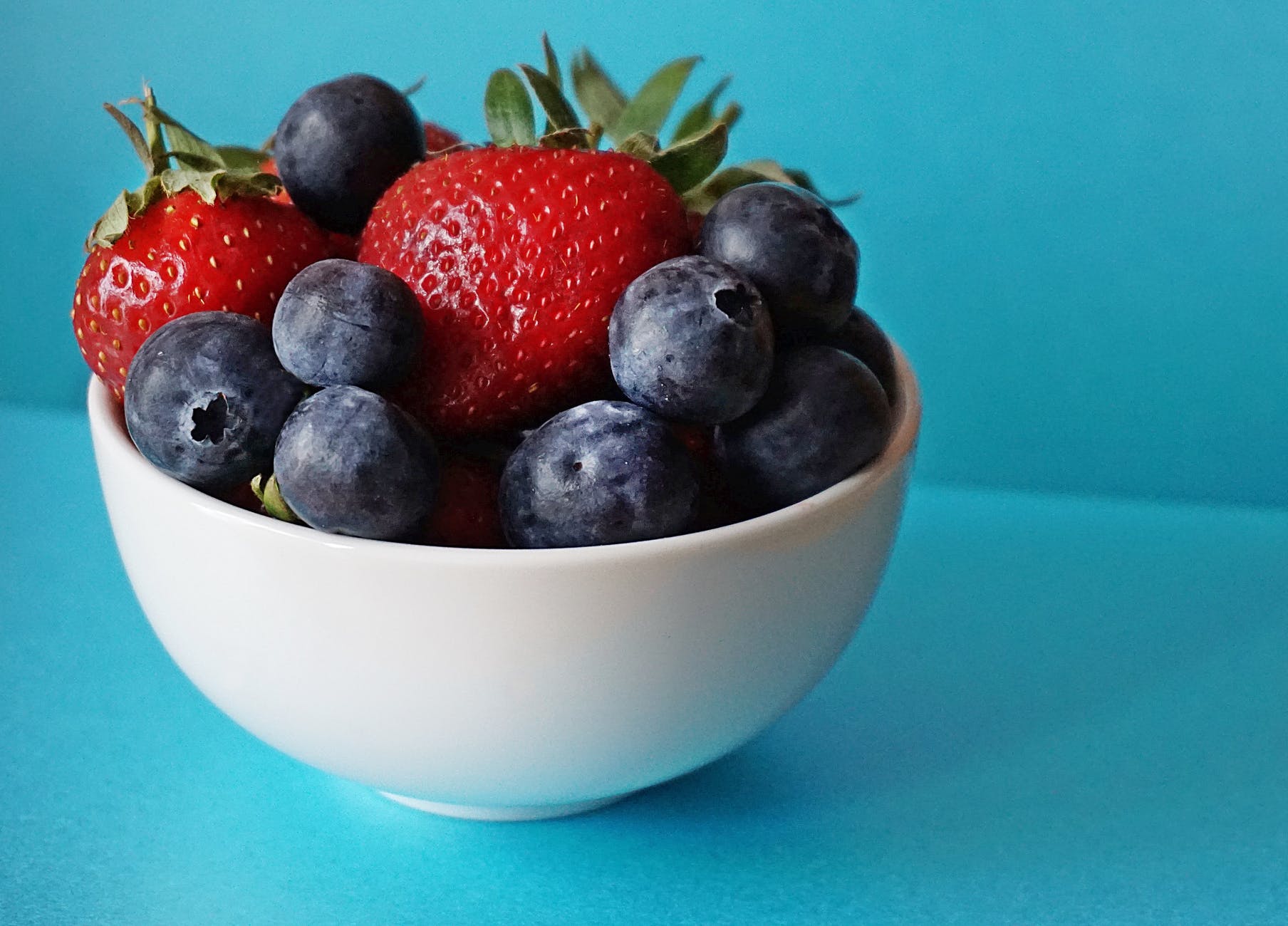
Photo by Suzy Hazelwood on Pexels.com

Your. Microbes. Will. Thank. You.

Thanks for the visit

Suzanne